
In today’s fast-paced world, our homes and workspaces are more than just functional—they are emotional anchors that shape how we feel, think, and live. That’s why understanding how interior design affects mental health is becoming a growing focus in design, psychology, and wellness circles alike.
From the calming influence of natural light to the mood-boosting effects of color and layout, interior design has the power to enhance or hinder your mental well-being.
This article explores how simple, intentional changes in your space can improve mood, reduce stress, and create a sense of peace and balance.
Why Mental Health Matters in Interior Design
Our mental health is influenced by everything around us, including the places we spend the majority of our time. With studies showing that urban dwellers spend nearly 90% of their time indoors, the way we design our interiors plays a significant role in how we feel and function.
Poorly lit, cluttered, or unbalanced spaces can contribute to anxiety, stress, and even depression. On the other hand, well-designed interiors can support emotional health by offering comfort, clarity, and even stimulation when needed.
Design isn’t just decoration; it’s a form of therapy.
Natural Light: A Simple Way to Lift Mood
One of the most powerful design tools for mental health is natural light. It stimulates the production of serotonin, the hormone responsible for improving mood and reducing anxiety.
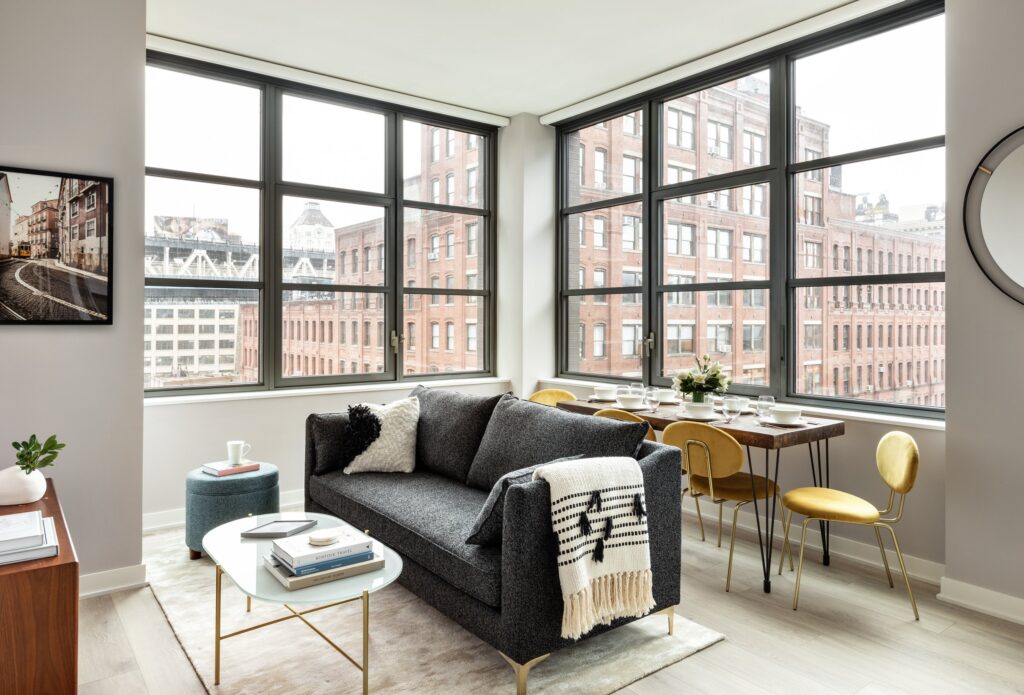
Here’s how to maximize natural light in your space:
- Use sheer or light-filtering curtains instead of heavy drapes.
- Place mirrors opposite windows to reflect and multiply sunlight.
- Arrange furniture so that seating or work areas are near windows.
When natural light is limited, warm LED lighting can mimic the effects of sunlight and support better sleep and focus throughout the day. For more cohesive interior design tips, be sure to consult Keeks!
Color Psychology: Designing for Emotion
Color plays a profound role in influencing how we feel. Different shades evoke different emotional responses, which is why color psychology is a core principle in creating mentally supportive spaces.
Calming Colors:
- Blue – Calms the nervous system and creates a sense of peace.
- Green – Evokes nature, renewal, and balance.
- Soft neutrals – Promote relaxation and clarity.
Uplifting Colors:
- Yellow – Encourages happiness and creativity.
- Orange – Energizing and sociable.
- Pink – Softens the atmosphere, promoting compassion and love.

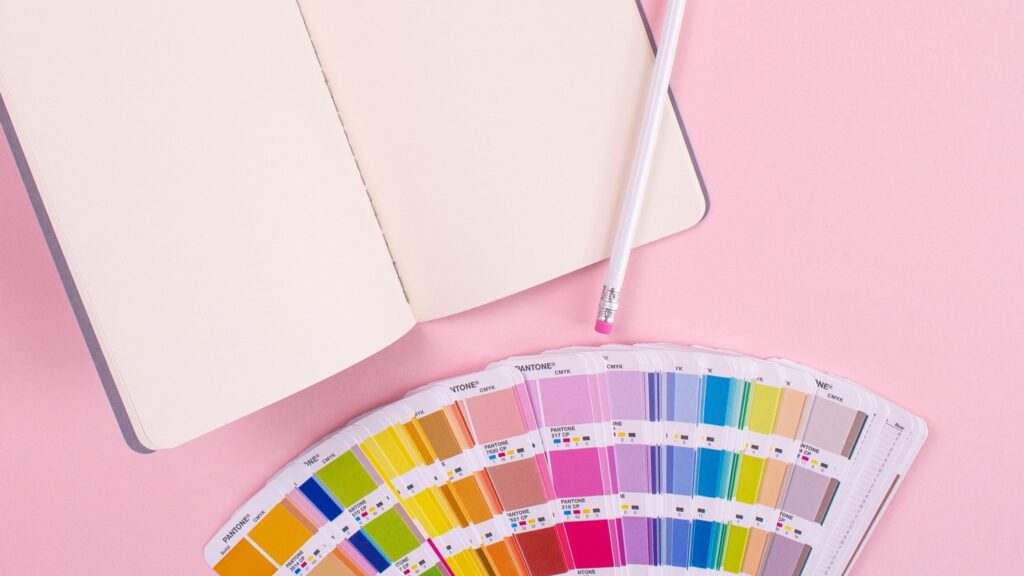
When thinking about how interior design affects mental health, color choice is one of the simplest but most powerful changes you can make. Combine bold hues with neutral tones to keep balance, and always align colors with the function of the room.
Decluttering: Mental Clarity Through Minimalism
A cluttered space often leads to a cluttered mind. In fact, research shows that excess clutter can elevate cortisol levels, the body’s primary stress hormone.
Decluttering doesn’t mean going full minimalist—it means removing what you don’t need so that what remains serves a clear purpose.
Tips for Decluttering:
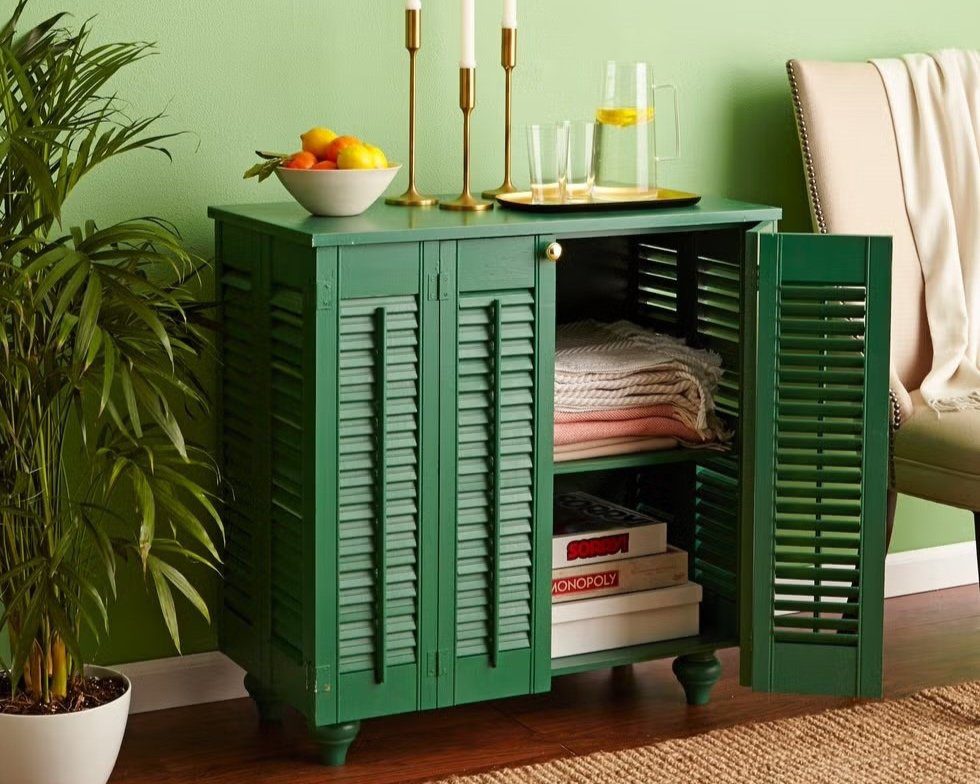
- Use smart storage solutions to keep things out of sight but accessible.
- Designate daily reset times to maintain order.
- Invest in multi-functional furniture that serves storage needs.
Adopting a cleaner, more open layout helps create a sense of spaciousness, which in turn reduces mental overwhelm and improves focus.
Natural Elements: Bringing the Outdoors In
One of the most effective strategies for improving well-being indoors is to incorporate natural elements—a core principle of biophilic design. Humans are hardwired to connect with nature, and even small reminders of the outdoors can have a calming effect.
Easy ways to add nature to your home:
- Houseplants – Boost mood, reduce stress, and improve air quality.
- Natural materials – Use wood, stone, or jute in flooring or décor.
- Textures and colors – Emulate natural landscapes through color palettes and finishes.
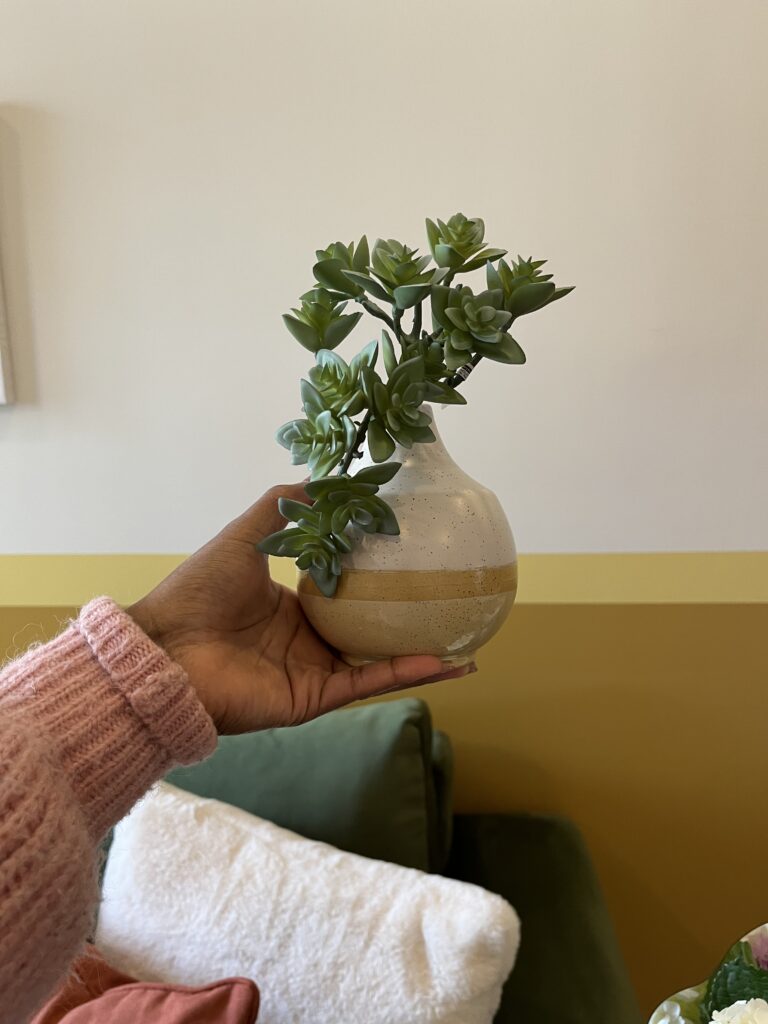
Using biophilic design not only makes a space look beautiful but also helps support mental restoration and a deeper sense of calm.
Smart Space Planning: Function Meets Flow
Designing a space that works for you is critical for mental well-being. Poor layouts can create frustration, especially if daily tasks feel harder than they should be.
Instead, aim for flow:
- Ensure furniture allows easy movement throughout the space.
- Group items and furniture by function (e.g., reading corner, work zone).
- Make rest and recharge zones intentional—like a yoga nook or meditation chair.
When people think about how interior design affects mental health, layout is often overlooked. But the way you navigate your space can greatly impact how relaxed or overwhelmed you feel in it.
Sensory Design: Beyond the Visual
Interior design isn’t just visual—it’s also about touch, sound, and ambiance.
Sensory elements that enhance mental well-being:
- Soft fabrics and tactile textures help reduce anxiety.
- Soothing sounds, like water features or quiet music, add calm.
- Scented candles or essential oils (like lavender or eucalyptus) encourage relaxation.
Design that caters to the senses helps ground us in the present moment, which is crucial for reducing stress and enhancing mindfulness.
Shapes & Furniture: Gentle Design for Mental Ease
Even the shapes of furniture and decor can influence mood. Sharp corners and harsh lines tend to feel aggressive, while rounded shapes and curves can create a softer, more welcoming environment.
Choose:
- Rounded tables and chairs
- Arched doorways or mirrors
- Flowing forms in lighting and décor
These details might seem small, but they work together to help your nervous system relax.
Creating a Mental Health-Supporting Palette
To recap, here’s a quick reference on how different design elements can support specific emotional needs:
Design Element | Mental Health Benefit |
Natural light | Boosts mood, supports circadian rhythm |
Calming colors (blue/green) | Reduces anxiety, enhances focus |
Decluttered spaces | Reduces overwhelm, promotes clarity |
Plants and natural materials | Reduces stress, reconnects with nature |
Rounded shapes | Enhances comfort and safety |
Soft textures & warm lights | Encourages relaxation and calm |
Dedicated rest areas | Promotes mindfulness and self-care |
Small Changes, Big Impact
The good news is that transforming your space doesn’t require a full renovation. You can begin with a few intentional changes:
- Add a plant to your desk or windowsill.
- Reorganize one room to feel more spacious.
- Paint a wall in a calming tone.
- Introduce cozy textures and soft lighting.
Every small adjustment adds up, and over time, your space becomes not just a place to live—but a tool to support your mental health.
Final Thoughts
Understanding how interior design affects mental health opens the door to creating spaces that do more than just look good—they feel good too. By tuning into how our environments influence our emotions, we can design with intention, crafting homes and workspaces that nourish the mind, body, and soul.
Whether you’re redesigning an entire room or just bringing in a new plant, every element matters. Let your space be a reflection of what you need to feel calm, focused, joyful, and at peace.