

If you’ve ever walked into a space and instantly felt calm, inspired, or even energized, you’ve witnessed great interior design in action. But achieving that level of finesse doesn’t require a degree in design or an unlimited budget.
Whether you’re starting from scratch, redecorating a tired room, or helping someone bring their vision to life, learning how to be better at interior design can completely change the way you live and feel in your home.
In this guide, we’re breaking down practical, timeless, and professional-level interior design tips you can start using today. These strategies work across styles, spaces, and price points—and they’ll help you create rooms that not only look good but feel great too.
1. Master the Power of Light
Lighting is one of the most underestimated tools in interior design, yet it has the power to make or break a space. If you want to know how to be better at interior design, begin with how you light your home.
Layer Your Lighting
Relying solely on a single ceiling fixture often results in harsh, uneven lighting. Instead, use layered lighting to add depth, warmth, and flexibility. This includes:
- Ambient lighting: General overhead lights
- Task lighting: Reading lamps, under-cabinet strips, desk lights
- Accent lighting: Picture lights, sconces, or spotlights to highlight design features
Combining different types of light sources helps avoid shadows and creates a more dynamic, comfortable environment.
Maximize Natural Light
Natural daylight isn’t just good for aesthetics—it boosts your mood and enhances your well-being. To make the most of it:
- Use sheer curtains instead of heavy drapes
- Position mirrors opposite windows to reflect light deeper into the room
- Keep window areas clean and clutter-free
Pro Tip: A bright room naturally feels larger, cleaner, and more inviting—key goals for any well-designed interior.

2. Use Color Like a Designer
Color affects not just the look of your space, but also the way you experience it emotionally. Want to know how to be better at interior design instantly? Learn to use color strategically.
Light Colors to Expand Space
If you’re working with small or enclosed spaces, opt for lighter tones to reflect more light and create the illusion of space. Some go-to shades include:
- Soft whites
- Pale greys
- Beige and greige
- Light blues and sage greens
These colors provide a fresh, airy backdrop while allowing accent pieces to shine.
Add Personality with Accents
You don’t need to repaint your entire home to incorporate color. Keep walls and large furniture neutral, then add vibrancy through:
- Throw pillows
- Artworks
- Rugs
- Accent chairs
This technique gives you the flexibility to change your palette over time without committing to major changes.
3. Think in Textures, Not Just Styles
If your space feels flat or uninspiring, it might be missing texture. A great way to elevate your interior design skills is to think beyond style labels like “modern” or “boho” and start layering different textures.
Add Depth and Interest
Even in minimalist spaces, combining contrasting textures can make the room feel more thoughtful and intentional. Try:
- Mixing hard and soft materials—like leather with linen, or marble with rattan
- Using natural fibers like jute, wool, or sisal in rugs and textiles
- Incorporating metal, wood, and stone in furniture and decor
Pro Tip: Even a neutral-toned room can feel rich and inviting with the right mix of textures.

4. Choose Furniture That Works Smarter, Not Harder
It’s easy to get swept up in aesthetics, but furniture should enhance both function and flow. If your rooms feel cramped or chaotic, reevaluate your pieces.
Go Multifunctional
Especially in smaller homes or apartments, multifunctional furniture is your best friend. Look for:
- Sofa beds for overnight guests
- Ottomans that offer hidden storage
- Fold-down dining tables or wall desks
- Nesting tables for flexibility
Not only do these save space, but they also make your home work harder for your needs.
Stick to Streamlined Shapes
Bulky furniture can make even large rooms feel crowded. Opt for:
- Sleek, low-profile sofas
- Armless chairs
- Glass or mirrored pieces that visually “disappear”
Choose furniture in lighter shades or tones that blend with your walls to create a cohesive, uncluttered look.
5. Add Mirrors for Instant Space and Light
One of the easiest and most affordable tricks in interior design is to use mirrors to open up a room. They reflect light, expand visual space, and add elegance.
Where to Place Mirrors Like a Pro
- Opposite a window: To maximize natural light
- Behind a sofa or sideboard: To add dimension
- In hallways or narrow spaces: To visually widen the area
Try grouping small mirrors into a gallery wall, or opt for a bold statement piece with a full-length mirror.
Bonus Tip: Mirrored furniture, like side tables or dressers, can blend seamlessly into the space while enhancing light and depth.
6. Bring Nature Indoors
Nature has an incredible way of calming our senses and making a space feel more alive. If you’re learning how to be better at interior design, never underestimate the power of plants and natural elements.
Add Greenery
Whether it’s a fiddle leaf fig in your living room or herbs in your kitchen, plants instantly elevate a space. They add:
- Color and vibrancy
- Organic texture
- Cleaner indoor air
Use Natural Materials
Consider incorporating:
- Wooden side tables or shelving
- Linen or cotton throws and pillows
- Wicker baskets for storage
- Stone or clay accents
This approach, rooted in biophilic design, connects you to nature and supports well-being.
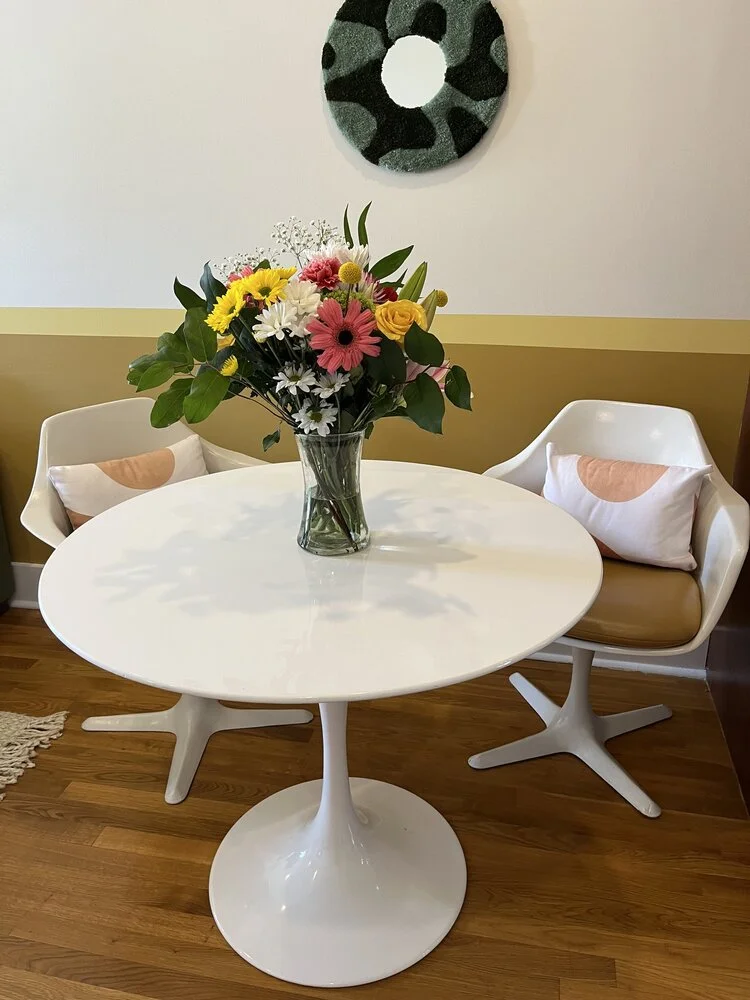
7. Embrace Timeless Trends That Last
Staying on trend can be fun, but not all trends are created equal. For a space that truly stands the test of time, focus on timeless elements that reflect both beauty and function.
Current Timeless Trends You Can Trust
- Full wood interiors: From paneling to furniture, natural wood adds warmth and depth
- Curved furniture and silhouettes: These soften a space and add visual flow
- Retro 70s influence: Warm colors, geometric patterns, and bold statement pieces can be blended with modern touches
- Artisanal craftsmanship: Unique, handmade decor adds personality and character
These styles offer longevity while still allowing you to express your individuality.
8. Design With Intention, Not Excess
More isn’t always better. The most elegant interiors are often the most intentional. Instead of filling every corner, aim for balance, flow, and breathing room.
Ask Yourself:
- Does this item serve a purpose or bring me joy?
- Is there too much visual clutter?
- Can I swap or remove anything to improve flow?
Intentional design often leads to reduced stress, increased comfort, and a more refined aesthetic.
9. Stay Flexible and Future-Proof
Your needs today might not be your needs tomorrow. Great interior design isn’t just about how a space looks—it’s about how well it adapts.
Think Ahead
- Will this layout still work if your family grows or lifestyle changes?
- Are rooms flexible enough to serve multiple purposes?
- Is your design practical for aging, mobility, or working from home?
Design with long-term functionality in mind, not just short-term style.
Final Thoughts: How to Be Better at Interior Design Starts With Awareness
Becoming better at interior design isn’t about being perfect; it’s about being more aware, intentional, and creative. Whether you’re working on your own home or guiding someone else through the process, you now have the tools to:
- Use lighting more effectively
- Choose color and texture strategically
- Maximize space with smart furniture and mirrors
- Bring warmth and personality through natural elements
- Blend trends and timeless design with purpose
Most importantly, interior design is about creating spaces that reflect you, your lifestyle, your story, and your values. That’s what makes a house a home.