

What is the most important thing in interior design? It’s a question homeowners, students, and even seasoned decorators often ask. With endless trends, Pinterest boards, and Instagram-worthy spaces, it’s easy to think great design is about colors, furniture, or luxury finishes. But professional designers agree on one core truth: everything begins with balance and harmony working together to create a functional, livable space.
No matter how beautiful a room looks, if it feels uncomfortable, chaotic, or impractical, it fails at its most basic purpose. In this blog, we’ll break down the one rule designers never ignore, why it matters more than trends, and how supporting design principles like proportion, rhythm, functionality, and unity help create interiors that truly work.
What Is the Most Important Thing in Interior Design? Understanding the Core Rule
At its heart, interior design is about creating balance—visual, functional, and emotional. Balance ensures that a space feels calm, welcoming, and complete instead of awkward or overwhelming.
Designers may debate styles, colors, or layouts, but they rarely compromise on balance. When balance is missing, a room can feel “off,” even if everything in it is expensive or trendy. When balance is present, even simple spaces feel intentional and inviting.
Balance doesn’t always mean symmetry. A room can feel balanced with:
- A large sofa offset by two chairs and a lamp
- Bold elements softened by neutral textures
- Statement pieces supported by quieter details
This ability to distribute visual weight evenly is what separates well-designed interiors from cluttered or uncomfortable ones.
Why Balance Is the One Rule Designers Never Ignore
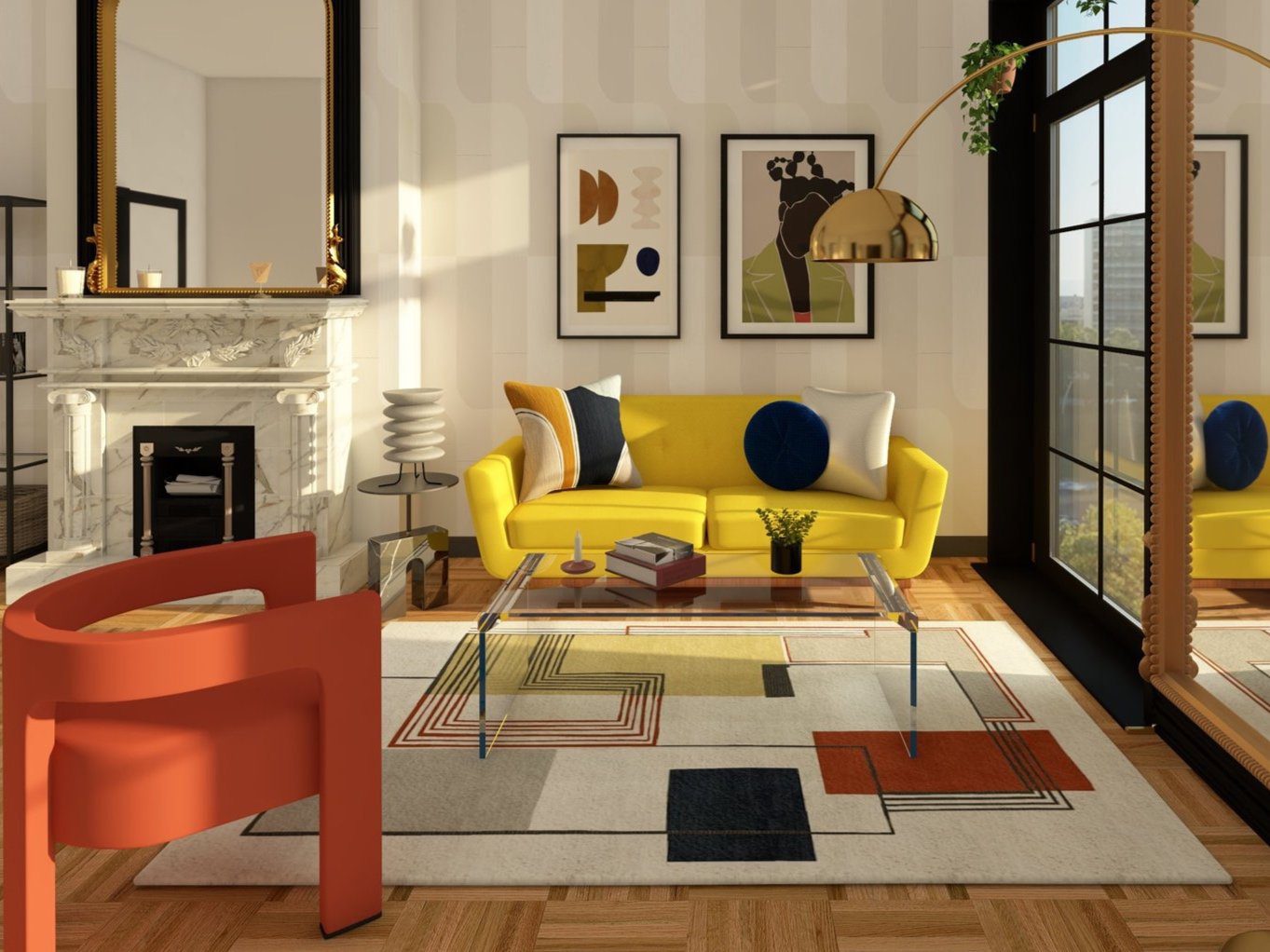
Balance impacts how people feel in a space. Humans naturally seek order and flow, and interiors are no different. A balanced room:
- Feels calm instead of stressful
- Looks cohesive instead of chaotic
- Supports movement and comfort
- Allows design elements to shine without competing
Designers know that without balance, no amount of décor can fix a space. That’s why balance becomes the foundation on which all other design decisions are built.
How Harmony Supports Balance in Interior Design
If balance is the foundation, harmony is the glue that holds everything together.
Harmony ensures that colors, textures, shapes, and materials work together instead of clashing. Even when mixing styles—modern with traditional, or minimal with rustic—harmony makes the combination feel intentional.
A harmonious room:
- Uses complementary color tones
- Repeats materials or finishes thoughtfully
- Maintains a consistent mood throughout the space
When harmony is missing, people often say a room “doesn’t feel right,” even if they can’t explain why. Designers instinctively adjust elements until the space feels unified and balanced again.
What Is the Most Important Thing in Interior Design? Balance Must Serve Function
One of the biggest mistakes people make is prioritizing aesthetics over usability. Designers never forget that a space must work before it can look good.
A perfectly styled chair is useless if it’s uncomfortable. A beautiful layout fails if you can’t move freely through the room. That’s why functionality is inseparable from balance.
Balanced design considers:
- Clear walkways and natural traffic flow
- Furniture placement that supports daily habits
- Storage that reduces clutter
- Comfort alongside visual appeal
When form and function work together, a space feels effortless rather than forced.
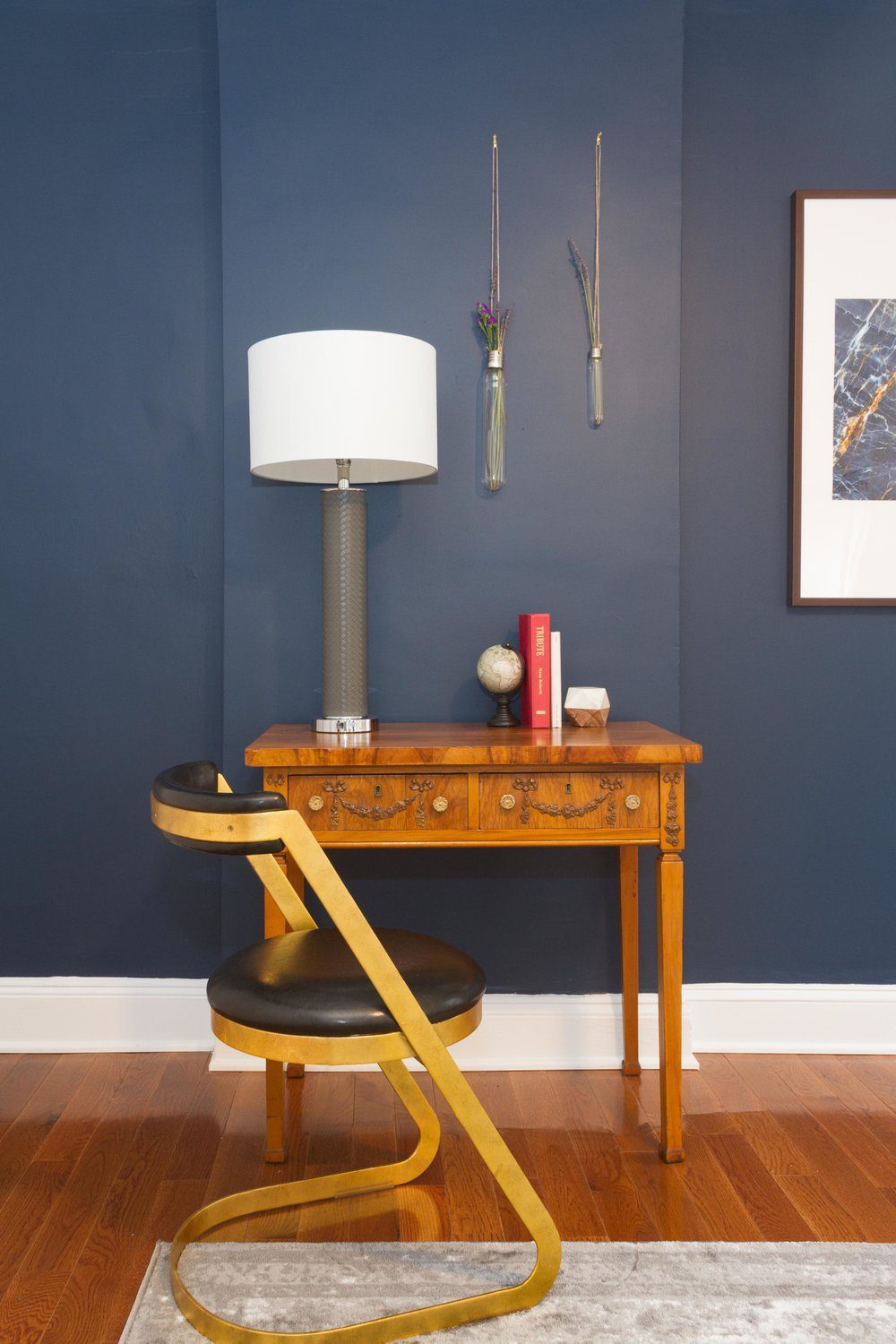
Proportion and Scale: The Silent Heroes of Good Design
Another reason balance matters so much is its relationship with proportion and scale.
Proportion refers to how objects relate to each other. Scale refers to how objects relate to the room itself. When these are off, even beautiful furniture can look awkward.
Examples designers avoid:
- Oversized furniture in a small room
- Tiny décor pieces lost on large walls
- Bulky sofas paired with delicate tables
Balanced proportion ensures that everything feels natural and comfortable within the space. It’s one of the clearest answers to what is the most important thing in interior design because it directly affects how livable a room feels.
Rhythm: Creating Flow Without Visual Chaos
Designers also rely on rhythm to maintain balance and harmony.
Rhythm guides the eye smoothly through a space using repetition and variation. This can be achieved by:
- Repeating colors across furniture and décor
- Using similar shapes or materials in different areas
- Gradually shifting tones from dark to light
Without rhythm, rooms feel scattered. With it, spaces feel connected and intentional. Rhythm supports balance by preventing any one element from overpowering the rest.
Contrast: Balance Doesn’t Mean Boring
Many people assume balanced spaces must be neutral or minimal. Designers know this isn’t true.
Contrast is essential to balance because it adds interest and depth. Light and dark, smooth and rough, bold and subtle—contrast keeps a space engaging.
The key is moderation. Too much contrast overwhelms. Too little makes a room feel flat. Designers carefully balance contrast so it enhances the space without disrupting harmony.
Emphasis: Every Balanced Room Needs a Focal Point
Another rule designers rarely ignore is emphasis—the creation of a clear focal point.
A focal point gives the room direction. It might be:
- A feature wall
- A large artwork
- A fireplace
- A statement light fixture
Designers build the rest of the room around this focal point, ensuring balance rather than competition. Without emphasis, rooms feel confusing and disjointed.
Unity: The Final Result of Balanced Design
When balance, harmony, rhythm, contrast, and proportion work together, the result is unity.
Unity is what makes a home feel like one connected experience instead of a collection of random rooms. Designers often achieve this by:
- Repeating finishes like metal or wood tones
- Using a shared color palette throughout the home
- Maintaining consistent design language across spaces
Unity doesn’t mean every room looks the same—it means every room belongs to the same story.
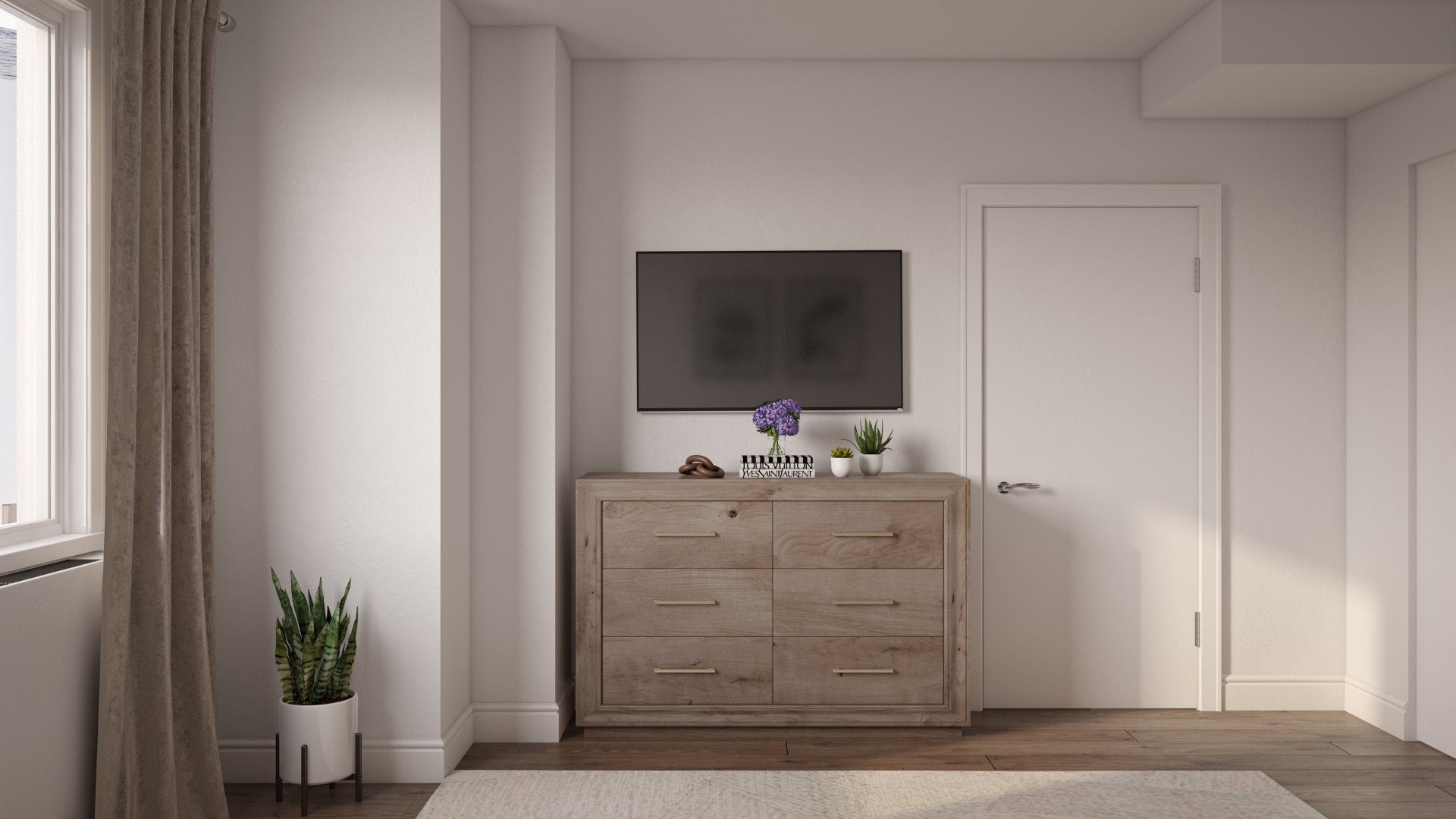
Rules You Should Follow vs. Rules You Can Bend
Designers understand the rules deeply—but they don’t treat them as rigid laws.
Some guidelines, like balance, proportion, and functionality, are rarely ignored because they affect comfort and usability. Others, like ceiling color, dark walls in small spaces, or matching furniture, can be broken creatively.
The difference lies in intention. When rules are broken thoughtfully, balance is still maintained. When rules are ignored without understanding, the space suffers.
What Is the Most Important Thing in Interior Design for Homeowners?
For homeowners, the most important takeaway is this:
Great design isn’t about copying trends—it’s about creating balance that suits your lifestyle.
You don’t need a design degree to apply this principle. Simply ask yourself:
- Does this space feel comfortable to use?
- Is there visual balance, or does one area feel too heavy?
- Do the elements work together, or are they competing?
If something feels off, balance is often the missing piece.
Why Trends Will Never Replace Design Fundamentals
Trends come and go, but balance remains constant.
Even the most modern interiors, minimalist spaces, bold color palettes, or smart lighting designs are grounded in classic design principles. What makes them successful isn’t the trend itself, but how well it’s balanced with the space, function, and user needs.
Designers don’t chase trends blindly. They filter them through the lens of balance, harmony, and usability.
How Professional Designers Apply the One Rule
Designers don’t follow balance like a checklist. They apply it intuitively, adapting it to:
- The size of the space
- The client’s lifestyle
- Daily movement patterns
- Storage and functionality needs
For example, in compact homes, designers may use balance to maximize functionality while avoiding visual clutter. In larger spaces, they use balance to prevent emptiness and create warmth.
This flexibility is what makes professional design feel effortless.
Final Thoughts: The One Rule That Makes Everything Work
So, what is the most important thing in interior design?
It’s not color. It’s not furniture. It’s not trends.
It’s balanced, supported by harmony, functionality, proportion, and unity.
When balance is right, everything else falls into place. Your home feels comfortable, looks intentional, and reflects who you are. When it’s missing, no amount of décor can fix the problem.
Interior design isn’t about perfection. It’s about creating spaces that support your life, express your personality, and feel good to live in every day. Master balance first—and the rest will follow.