
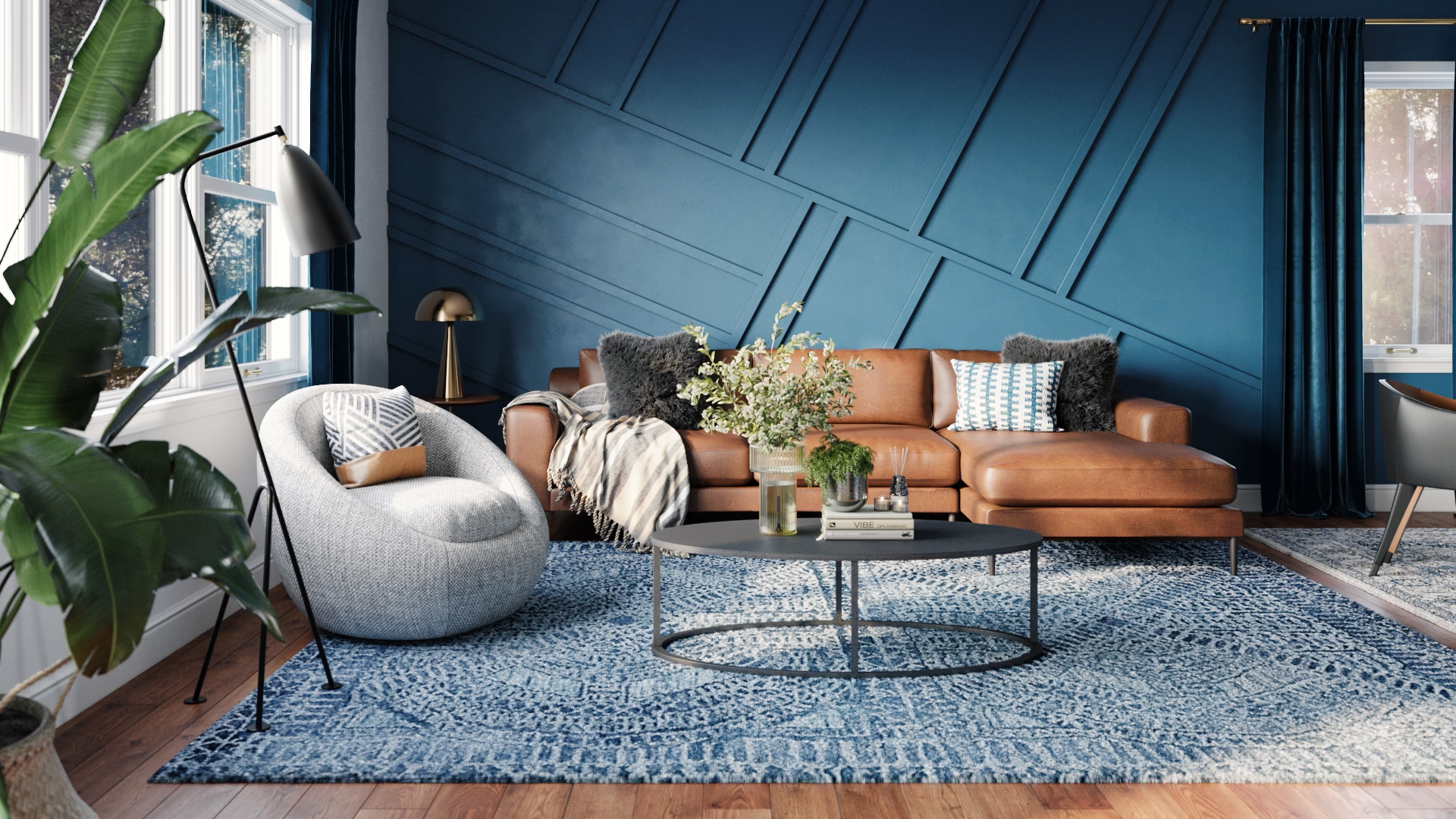
Walking into a room where the lights automatically soften, the temperature adjusts to your ideal setting, and calming music flows from hidden speakers is no longer a futuristic fantasy. It’s the new standard of modern living. So, what is smart home interior design, and why is it becoming essential in 2026? At its core, it’s the seamless integration of technology and interior design to create homes that are not only beautiful but intelligent, responsive, and energy-efficient.
In this complete beginner’s guide, you’ll learn exactly what smart home interior design means, why it matters more than ever, the essential components that define it, the trends shaping 2026, common mistakes to avoid, and how you can start creating your own smart sanctuary.
What Is Smart Home Interior Design?
Let’s begin with a clear definition.
What is smart home interior design? It is the thoughtful integration of internet-connected technology into a home’s interior so that it enhances both functionality and aesthetics, without cluttering the space.
It’s not about buying random smart gadgets like a speaker or a Wi-Fi lightbulb. It’s about designing a cohesive ecosystem where lighting, climate, security, window treatments, and entertainment systems work together seamlessly. The goal is to make technology almost invisible. You shouldn’t notice wires, bulky devices, or complicated control panels. Instead, you simply experience comfort, convenience, and harmony.
This approach is often described as “invisible technology.” The tech works quietly in the background, automating tasks, learning your preferences, and adapting to your routine—while preserving a clean, minimalist aesthetic.
In short, smart home interior design ensures your home works for you, not the other way around.
How Smart Homes Have Evolved
Not long ago, “smart home” meant a few disconnected devices: a voice assistant on the counter, a video doorbell, or a programmable thermostat. While innovative at the time, these systems often felt separate and sometimes complicated.
Earlier smart setups were associated with:
- Visible wires
- Blinking routers
- Multiple remote controls
- Separate apps for every device
- Overly technical interfaces
Today, the conversation has shifted. Instead of technology being an afterthought, it is considered during the design phase of renovations and new builds. Smart functionality is now built into the walls, ceilings, and infrastructure of a home.
The modern smart home is:
- Seamlessly integrated
- Aesthetically refined
- Centrally controlled
- Energy-efficient
- Personalized
The biggest difference? Strategy. Smart home interior design begins with a unified vision rather than a shopping list of gadgets.
Why Smart Home Interior Design Matters in 2026
You might wonder: why is this especially relevant now?
1. Our Homes Do More Than Ever
In 2026, homes are not just places to sleep. They are:
- Offices
- Entertainment hubs
- Learning environments
- Wellness spaces
With hybrid work and flexible lifestyles continuing, rooms need to adapt quickly. A living room may function as a home office during the day and a cinema at night. Smart design allows instant transformation with automated lighting, blinds, and ambiance settings.
2. Personalization Is the New Luxury
Modern smart homes adapt to you. Instead of adjusting your behavior to your house, your home adjusts to your habits.
For example:
- Lighting brightens during work hours to boost focus.
- Lights soften in the evening to promote relaxation.
- Thermostats learn your schedule and adjust automatically.
- Blinds lower when sunlight becomes too intense.
This level of personalization enhances both productivity and well-being.
3. Sustainability Is a Priority
Energy efficiency is no longer optional—it’s expected.
Smart systems help reduce waste by:
- Turning off lights in empty rooms
- Adjusting cooling when no one is home
- Managing blinds to control heat gain
- Optimizing heating based on weather patterns
Not only does this lower energy bills, but it also reduces your environmental footprint.
The Core Principles of Smart Home Interior Design
Understanding the philosophy behind smart design helps you make better decisions.
1. Seamless Integration
Technology should never disrupt visual harmony. Wires are hidden inside the walls. Speakers are embedded in ceilings. Sensors are discreetly placed in doorframes or shelving.
The result is a space that looks clean and minimalist, free from tech clutter.
2. Holistic Ecosystems
Smart home interior design connects multiple systems into one cohesive network. Lighting, climate control, security, and entertainment communicate through a central hub, preventing app overload and confusion.
Without this integration, homeowners often experience “app fatigue,” juggling multiple applications to control a single room.
3. Invisible Functionality
The best smart technology is felt, not seen.
You don’t notice the sensor that adjusted the temperature; you just feel comfortable. You don’t see the automation, you simply enjoy the convenience.
Key Components of a Smart Home Interior
Now that you understand the concept, let’s explore the pillars that define a well-designed smart home in 2026.
Intelligent Lighting Systems
Lighting is often the starting point.
Modern smart lighting goes far beyond turning lights on and off remotely. It offers:
- Adjustable brightness levels
- Custom mood settings
- Automated schedules
- Motion-activated pathways
- Circadian rhythm alignment
Circadian lighting mimics natural daylight patterns. Cool, energizing tones in the morning gradually transition to warm, calming hues in the evening. This subtle shift supports better sleep and improved focus.
Lighting alone can completely transform how a space feels throughout the day.
Climate and Energy Management
Climate control is central to comfort and efficiency.
Smart thermostats:
- Learn your daily routine
- Adjust heating and cooling automatically
- Reduce energy use when rooms are empty
When integrated with automated window treatments, the system becomes even more powerful. If the afternoon sun begins heating your living room, motorized blinds can close automatically, reducing the need for air conditioning.
This coordinated approach protects furniture from sun damage and lowers energy costs simultaneously.
Automated Window Treatments
Motorized blinds and shades serve multiple functions:
- Privacy control
- Temperature regulation
- Light management
- Energy efficiency
They can be scheduled or triggered by sunlight sensors. In the morning, blinds may rise automatically to let natural light in. In the evening, they close to create a cozy environment.
This automation adds convenience while preserving sleek interior aesthetics.
Invisible Audio and Visual Systems
Modern smart interiors eliminate bulky entertainment setups.
Speakers can be embedded inside walls or ceilings, providing immersive sound without visible equipment. Television panels can be integrated subtly into cabinetry or disappear when not in use.
This maintains a minimalist look while delivering high-quality experiences.
Discreet Security Systems
Safety is essential, but no one wants a home that looks like a fortress.
Smart interior design favors:
- Small, subtle cameras
- Discreet door sensors
- Hidden leak detectors
- Smoke and environmental monitoring
These features provide peace of mind without compromising aesthetics.
Top Smart Interior Design Trends for 2026
Smart home interior design continues to evolve. Two dominant trends are shaping this year.
Biophilic Integration
Biophilic design focuses on connecting indoor spaces with nature.
Smart systems enhance this by:
- Mimicking natural daylight cycles
- Supporting automated indoor gardens
- Managing light exposure for plant health
Even windowless spaces can feel more natural through carefully calibrated lighting systems.
Multifunctional Living Spaces
As homes serve multiple roles, flexibility is key.
With a single command or button press:
- “Work Mode” activates bright lighting and silences music.
- “Relax Mode” dims lights and lowers blinds.
- “Movie Mode” adjusts ambiance instantly.
This adaptability makes smaller homes feel larger and more versatile.
Common Mistakes to Avoid
If you’re new to smart home design, awareness of common pitfalls can save time and money.
1. Treating Technology as an Afterthought
Adding smart devices after completing your interior design often results in clutter and compatibility issues. Integration should be part of the initial planning phase.
2. Buying Isolated Gadgets
Without a central ecosystem, devices won’t communicate effectively. This leads to fragmented control systems and frustration.
3. Ignoring Infrastructure
While wireless systems are convenient, relying entirely on Wi-Fi can overload your network. Incorporating hardwired connections during renovation improves stability and performance.
4. Overcomplicating Controls
If guests can’t turn on the bathroom light easily, the design has failed. Smart systems must remain intuitive and accessible.
How to Start Building Your Smart Home
If you’re ready to begin, here’s a beginner-friendly roadmap.
Step 1: Start With a Central Hub
Choose a unified control system that allows devices to “talk” to each other. This ensures smooth automation and fewer apps.
Step 2: Plan Before Purchasing
Identify your goals:
- Do you want energy savings?
- Enhanced security?
- Mood-based lighting?
- Flexible workspaces?
Design around outcomes, not products.
Step 3: Future-Proof Your System
Technology evolves quickly. Select modular systems that allow upgrades over time. Start with lighting and expand into climate or security later.
Step 4: Prioritize User Experience
Include physical switches alongside app or voice controls. Simplicity is essential.
The True Value of Smart Home Interior Design
Ultimately, what is smart home interior design about in 2026?
It’s about:
- Comfort
- Efficiency
- Adaptability
- Sustainability
- Aesthetic harmony
It transforms homes into responsive environments that anticipate your needs.
Instead of manually adjusting lights, blinds, and thermostats throughout the day, your home quietly manages those details for you. The result is reduced stress, improved well-being, and a space that feels almost intuitive.
Final Thoughts
Smart home interior design is no longer a luxury reserved for tech enthusiasts. It is a holistic design philosophy that merges beauty with intelligence. By integrating technology seamlessly into your home’s structure and style, you create an environment that enhances everyday life without visual clutter.
As we move further into 2026, homes are expected to do more, support our work, promote wellness, conserve energy, and adapt instantly. Smart home interior design answers that demand by turning ordinary spaces into intelligent sanctuaries.
If you’re planning a renovation or simply exploring upgrades, remember: start with a vision, think holistically, and design for both beauty and performance.
Because the smartest homes aren’t the ones filled with gadgets, they’re the ones where technology disappears, and comfort takes center stage.