
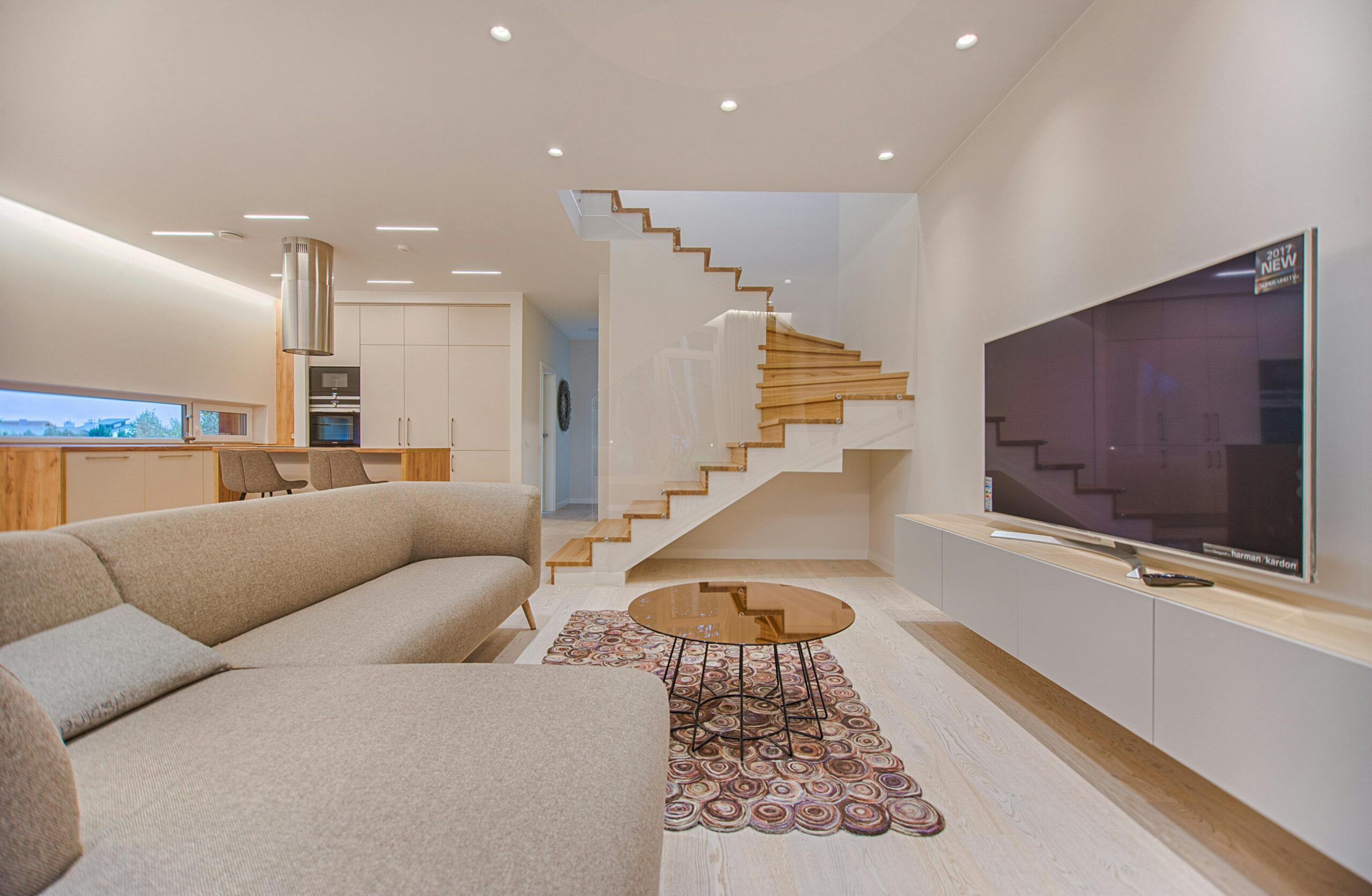
When you walk into a room and instantly feel calm, comfortable, and visually at ease, chances are you’re experiencing good design at work. But what creates that feeling? The answer often lies in one essential principle: balance. So, what is balance in interior design, and why does it matter so much? In simple terms, balance is the even distribution of visual weight within a space to create harmony, stability, and cohesion. Without it, even the most beautiful furniture and décor can feel chaotic or incomplete.
In this comprehensive guide, we’ll explore what balance truly means, the different types of balance, how elements like color and texture influence it, its psychological impact, and how you can apply it effectively in your own home.
What Is Balance in Interior Design?
Let’s begin with a clear definition.
What is balance in interior design? It refers to the careful arrangement of elements within a room so that no single part feels too heavy, too empty, or out of place. Balance ensures that visual weight is distributed evenly across a space.
Visual weight is influenced by several factors, including:
- Color
- Texture
- Shape
- Size
- Furniture placement
- Decorative elements
When balance is achieved, a room feels stable and cohesive. When it’s missing, the space may feel awkward, overwhelming, or strangely uncomfortable—even if you can’t immediately explain why.
Balance is not just about symmetry. It involves proportion, harmony, and functionality. A well-balanced room looks good and works well for the people using it.
Why Balance Is So Important in Interior Design
Balance plays a foundational role in successful interior design for several key reasons.
1. Creates Visual Harmony
A balanced room feels organized and intentional. The eye moves naturally around the space without getting “stuck” on one overpowering element.
2. Enhances Comfort
Rooms that lack balance can feel unsettling. For example, if all the heavy furniture is placed on one side, the space may feel lopsided. Proper balance creates a sense of security and comfort.
3. Supports Functionality
Balance isn’t only about aesthetics. A well-balanced space must also be practical. Furniture should be arranged proportionally so the room remains easy to navigate and comfortable to use.
4. Establishes Cohesion
When balance is applied correctly, all elements, furniture, color schemes, textures, and focal points work together rather than competing for attention.
Understanding Visual Weight
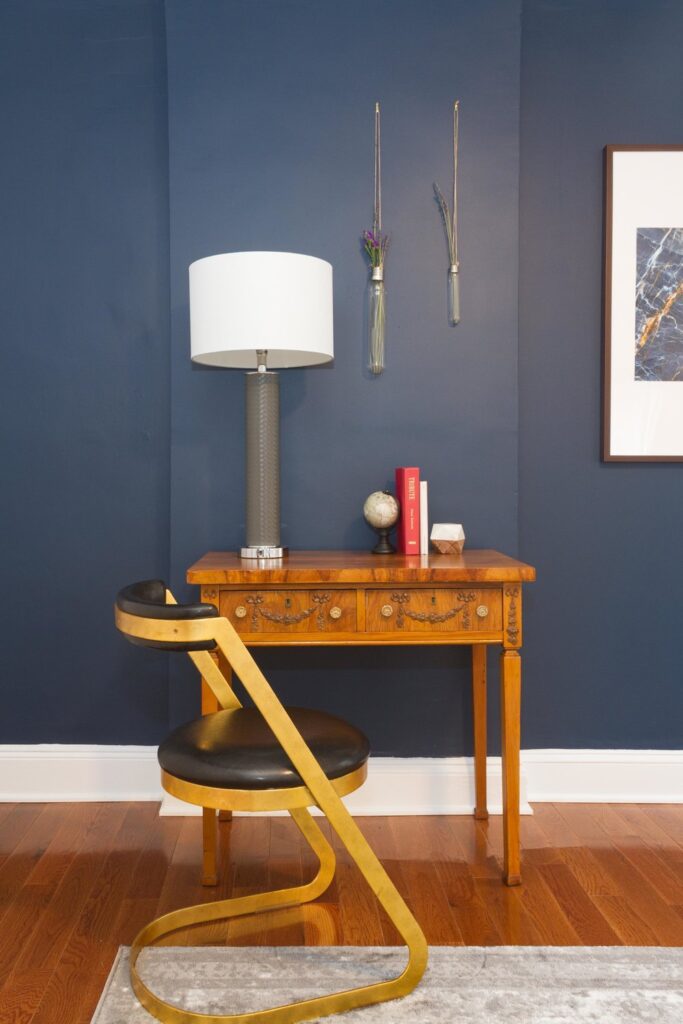
To fully grasp what is balance in interior design, you must understand visual weight.
Visual weight refers to how “heavy” an object appears within a room. This isn’t about physical weight—it’s about perception.
Several factors influence visual weight:
- Darker colors appear heavier.
- Lighter colors feel more airy and light.
- Large furniture pieces carry more weight than small accessories.
- Bold patterns draw more attention than subtle ones.
- Rough textures often feel heavier than smooth finishes.
For example, a dark leather sofa has more visual weight than a light linen loveseat. If you place the darker sofa on one side of the room without balancing it with something substantial on the other side, the room may feel uneven.
Achieving balance means distributing these visual weights thoughtfully.
The Three Types of Balance in Interior Design
Balance in interior design can be categorized into three primary types: symmetrical, asymmetrical, and radial. Each type creates a different aesthetic effect and suits different design styles.
1. Symmetrical Balance (Formal Balance)
Symmetrical balance, also known as formal balance, occurs when elements are mirrored on either side of a central axis.
Imagine:
- Two identical sofas facing each other
- Matching nightstands on either side of a bed
- Twin armchairs flanking a fireplace
This approach is commonly used in traditional and classic interiors because it creates:
- Order
- Stability
- Elegance
- Predictability
Symmetrical balance feels calm and structured. It’s especially effective in formal living rooms, bedrooms, and spaces where you want a refined atmosphere.
However, too much symmetry can sometimes feel rigid or overly staged. That’s why designers often soften it with subtle variations in accessories or textures.
2. Asymmetrical Balance (Informal Balance)
Asymmetrical balance achieves equilibrium without perfect mirroring.
Instead of identical objects on both sides, designers use different elements that carry similar visual weight. For example:
- A large sofa balanced by two smaller armchairs
- A tall bookshelf offset by a statement artwork
- A heavy piece of furniture paired with multiple lighter pieces
Asymmetrical balance is common in modern and contemporary interiors. It feels:
- Dynamic
- Creative
- More relaxed
- Visually interesting
While symmetrical balance relies on duplication, asymmetrical balance relies on thoughtful contrast.
It requires more skill because the elements aren’t identical, yet they must still feel harmonious. When done correctly, asymmetrical balance makes a room feel lively without being chaotic.
3. Radial Balance
Radial balance occurs when elements are arranged around a central focal point.
Common examples include:
- A round dining table with chairs arranged evenly around it
- A chandelier centered above a seating arrangement
- Furniture organized around a fireplace
In radial balance, the eye is naturally drawn toward the center. This technique creates:
- Movement
- Energy
- Strong visual focus
Radial balance works particularly well in circular layouts or rooms with a clear focal point.
The Role of Color and Texture in Balance
Color and texture significantly influence balance in interior design.
Color Distribution
As mentioned earlier, darker colors feel heavier, while lighter tones feel more open. To maintain balance, designers distribute dark and light tones evenly.
For example:
- If one side of the room features dark cabinetry, the opposite side might include darker décor elements to counterbalance it.
- A light-colored sofa can be anchored with darker throw pillows or artwork nearby.
Ignoring color balance can make a space feel lopsided.
Texture Variation
Texture adds depth and dimension. Mixing textures prevents a room from feeling flat.
For example:
- Pairing a sleek leather sofa with a soft wool rug
- Combining smooth glass surfaces with natural wood
- Mixing matte finishes with subtle shine
Texture balance ensures that no single surface dominates visually.
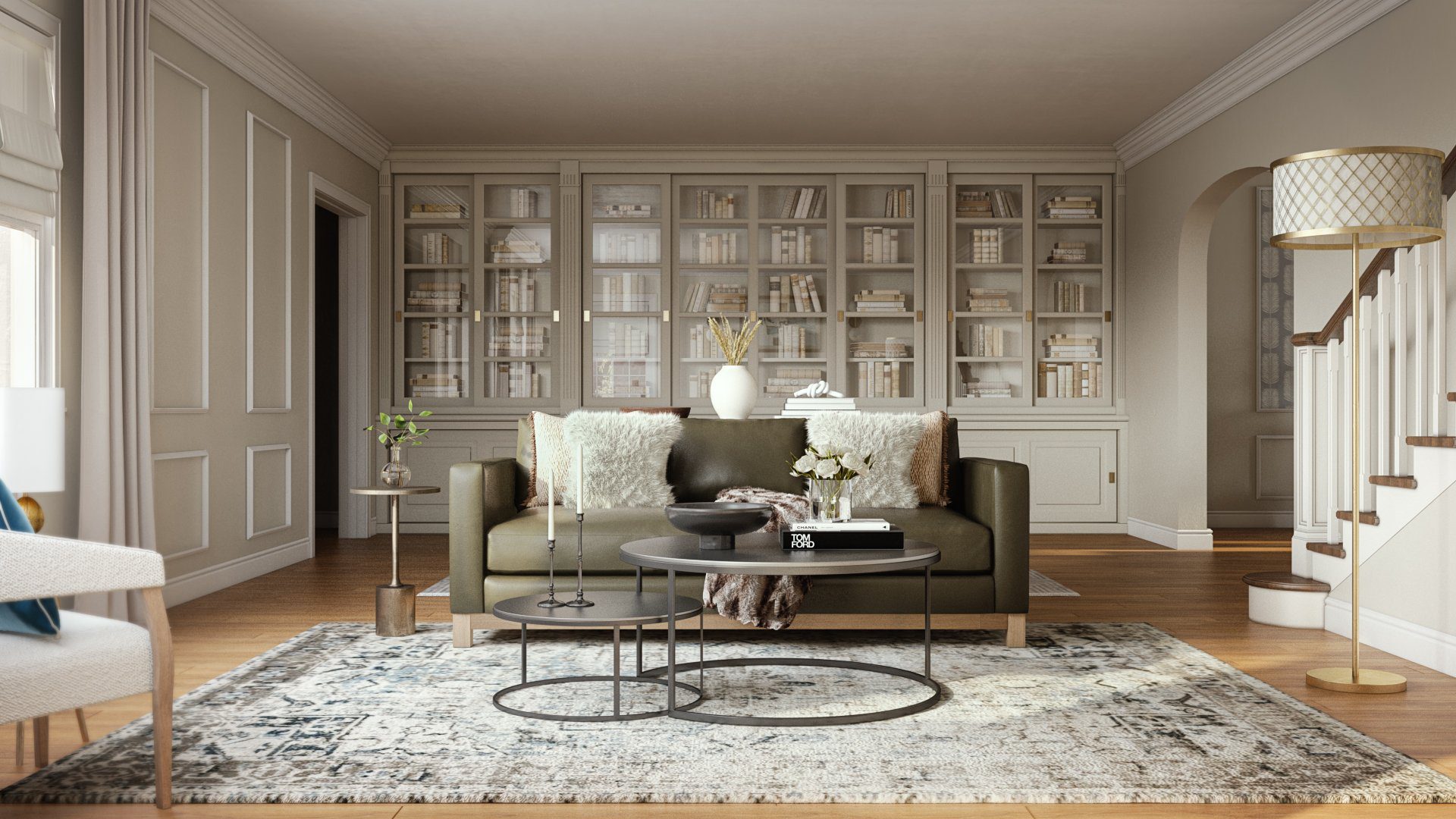
Furniture Placement and Spatial Arrangement
Furniture placement is one of the most powerful tools in achieving balance.
Avoid Overcrowding
Placing too many large items on one side of a room while leaving the other side sparse creates an imbalance.
Instead:
- Distribute furniture proportionally
- Consider the size and shape of each piece
- Leave adequate negative space
Balance Large Elements
If you have a large sectional sofa on one side of the room, balance it with:
- A bookshelf
- A statement artwork
- A console table
- Multiple smaller accent pieces
In open-concept spaces, zoning areas (such as separating dining and lounge zones) help maintain visual equilibrium.
Using Focal Points to Establish Balance
Most well-designed rooms feature a focal point.
A focal point could be:
- A fireplace
- A striking piece of artwork
- An accent wall
- A statement furniture piece
Once the focal point is established, other elements should complement it rather than compete.
For example, if your fireplace is the centerpiece, arrange seating to support and frame it. Avoid placing equally bold features elsewhere that might distract from it.
Focal points help anchor the room and provide structure for balanced design decisions.
The Psychological Impact of Balanced Spaces
Balance doesn’t just affect how a room looks; it influences how it feels.
Emotional Comfort
Balanced interiors evoke calmness and well-being. When visual weight is evenly distributed, the brain perceives order and stability.
Reduced Stress
Unbalanced spaces can create subtle tension. Overcrowded corners, mismatched proportions, or uneven layouts may contribute to discomfort.
Enhanced Productivity
In work environments, balanced layouts promote focus and efficiency. A well-arranged office reduces visual distractions and improves workflow.
Better Relaxation
In bedrooms and living areas, balanced design fosters tranquility. Symmetry, in particular, is known to create soothing environments.
Understanding this psychological impact explains why balance is more than a decorative rule; it’s a principle that supports mental and emotional wellness.
Achieving Balance in Different Interior Styles
Different design styles apply balance in unique ways.
Minimalist Interiors
Balance is achieved through:
- Clean lines
- Neutral palettes
- Simple, proportional arrangements
Minimalism relies heavily on spatial balance and restraint.
Eclectic Interiors
Eclectic spaces mix patterns, textures, and colors. Asymmetrical balance helps maintain cohesion without overwhelming the room.
Classic Interiors
Symmetrical arrangements, rich materials, and formal layouts define classic balance.
Bohemian Interiors
Layered textures and varied décor create balance through thoughtful distribution rather than strict symmetry.
Regardless of style, the principle remains the same: distribute visual weight evenly.
Practical Tips for Creating Balance in Your Home
If you’re wondering how to apply this knowledge, here are actionable steps:
- Step back and observe your space. Does one side feel heavier?
- Evaluate color distribution. Are dark tones clustered in one area?
- Check furniture proportions. Is everything scaled appropriately?
- Introduce contrast thoughtfully. Use texture and shape to balance bold pieces.
- Establish a focal point. Design around it.
Small adjustments, like moving a lamp, adding artwork, or rearranging seating, can dramatically improve balance.
Final Thoughts: Why Balance Is Essential
So, once again, what is balance in interior design and why is it important?
It is the art of distributing visual weight to create harmony, stability, and comfort within a space. Whether achieved through symmetrical, asymmetrical, or radial arrangements, balance ensures that interiors feel cohesive and inviting.
It affects aesthetics, functionality, and even emotional well-being. From color choices to furniture placement, every design decision contributes to equilibrium.
When balance is present, a room feels intentional and welcoming. When it’s absent, even expensive décor can’t compensate.
By understanding and applying the principles outlined in this guide, you can create interiors that are not only stylish but harmonious and comfortable, spaces that truly feel like home.