
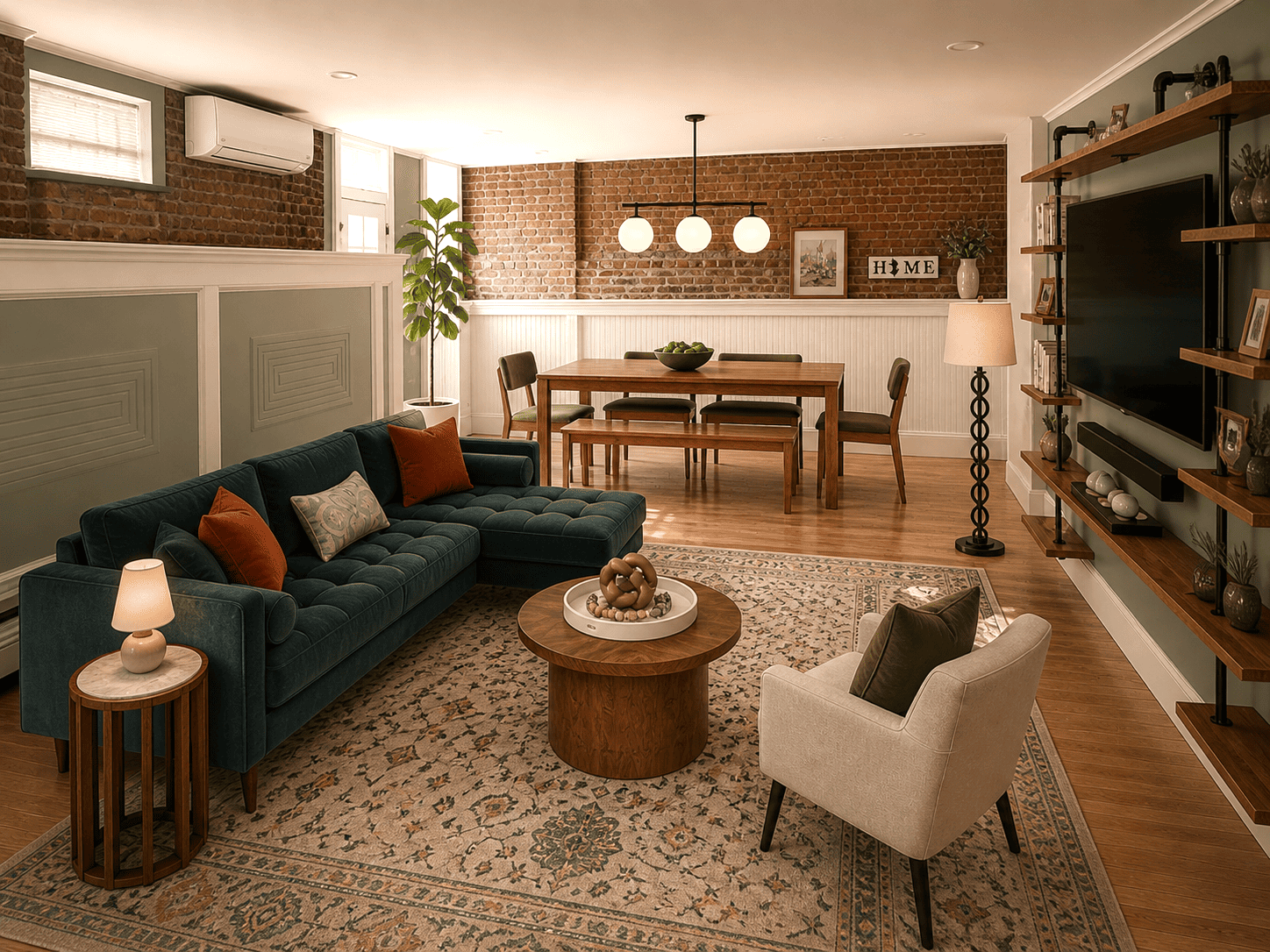
When planning a home renovation, custom build, or major redesign, many homeowners ask the same question: Do interior designers work with architects? The short answer is yes, and in many projects, their collaboration is essential. While architects and interior designers have different areas of expertise, they often work side by side to create spaces that are not only structurally sound but also beautiful, functional, and tailored to the way people actually live.
Whether you’re redesigning a single room or building your dream home from scratch, understanding how these professionals work together can save you time, money, and countless design headaches. More importantly, it can help you achieve a cohesive result where every detail feels intentional.
In this guide, we’ll break down the roles of architects and interior designers, explain when they collaborate, and explore the key benefits of bringing both experts into a project from the very beginning.
What Is the Difference Between an Architect and an Interior Designer?
Although architects and interior designers often collaborate, their responsibilities are quite different.
An architect primarily focuses on the structure and technical planning of a building. Their work includes designing layouts, ensuring structural integrity, following zoning laws, and meeting local building codes. Architects are trained to think about how a building functions as a whole, from the exterior appearance to the flow of spaces and the safety of the structure itself.
Interior designers, on the other hand, focus on the experience inside the space. They consider how rooms feel, function, and support everyday living. This includes everything from furniture layouts and lighting plans to materials, textures, color palettes, and storage solutions.
In simple terms:
- Architects create the framework of a space
- Interior designers bring that space to life
The most successful homes usually happen when both perspectives come together early in the process.
Do Interior Designers Work With Architects on Every Project?
Not always. Smaller decorating projects may only require an interior designer, especially when structural changes are not involved. For example, selecting furniture, redesigning a living room, or updating finishes typically doesn’t require architectural input.
However, architects become necessary when a project involves:
- Removing or adding walls
- Changing ceiling heights
- Reconfiguring windows or doors
- Structural renovations
- Extensions or additions
- Electrical, plumbing, or HVAC modifications
- Exterior changes to the building
In these situations, interior designers work closely with architects to ensure the design vision aligns with the technical realities of the space.
So if you’re still wondering, do interior designers work with architects during renovations and custom home projects?
The answer is very often yes.
Why Collaboration Between Architects and Interior Designers Matters
A well-designed home is about more than appearances. It needs to function smoothly, feel comfortable, and support your lifestyle. That level of balance is difficult to achieve when design decisions happen in isolation.
When architects and interior designers collaborate from the beginning, the entire project becomes more cohesive.
Better Space Planning
One of the biggest advantages of collaboration is improved spatial flow. Architects may design the layout of a home, but interior designers think about how people will actually move through and use those spaces every day.
For example:
- Will there be enough storage?
- Does the furniture placement make sense?
- Is there enough natural light where it matters most?
- Will the lighting work with the room layout?
These details can dramatically affect how a home feels once it’s lived in.
A More Cohesive Design
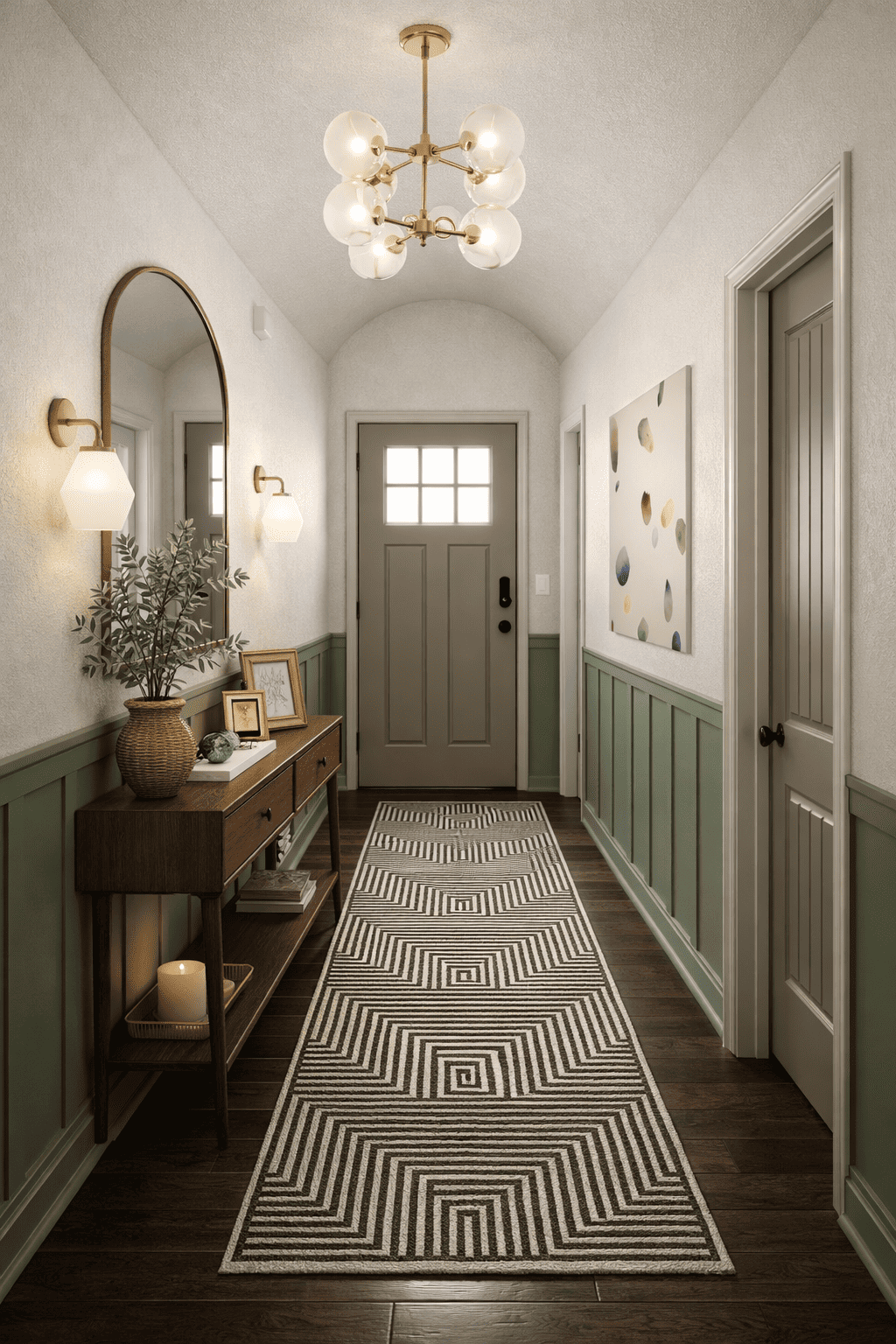
When interior and exterior elements are planned together, the result feels seamless. The architectural style of a home naturally connects with the materials, finishes, and interior details.
Without collaboration, homeowners sometimes end up with beautiful architecture but interiors that feel disconnected, or the opposite.
A strong architect-interior designer relationship helps create harmony throughout the property.
Fewer Costly Mistakes
Changes made late in a project are usually expensive. If an interior designer is brought in after construction begins, important details may need to be redone.
Common examples include:
- Poor lighting placement
- Inconvenient electrical outlets
- Furniture layouts that don’t fit the room
- Wasted wall space
- Insufficient storage
When both professionals work together from day one, these issues can often be avoided before construction even starts.
A Better Experience for Homeowners
Homeowners benefit tremendously when architects and interior designers communicate effectively. Instead of juggling conflicting ideas, clients receive a unified vision that prioritizes both functionality and aesthetics.
This creates a smoother process and a more enjoyable renovation or building experience overall.
How Interior Designers and Architects Work Together
The collaboration between architects and interior designers can vary depending on the project, but it often follows a shared workflow.
1. Initial Planning and Concept Development
At the beginning of a project, both professionals discuss the client’s goals, lifestyle needs, budget, and aesthetic preferences.
Architects focus on:
- Structural possibilities
- Layout feasibility
- Building regulations
- Site planning
Interior designers focus on:
- Space functionality
- Design style
- Furniture layouts
- Lighting concepts
- Material selections
Together, they shape the overall vision for the project.
2. Space and Structural Coordination
As floor plans develop, interior designers provide input that affects how rooms will function.
For instance, they may recommend:
- Moving walls for better furniture placement
- Adjusting window locations for natural light
- Creating built-in storage solutions
- Modifying ceiling details for lighting design
This stage is where collaboration becomes especially valuable because design and structure directly influence one another.
3. Material and Finish Selection
Interior designers typically take the lead on selecting:
- Flooring
- Paint colors
- Fabrics
- Cabinetry
- Fixtures
- Furniture
- Decorative elements
Architects may contribute by ensuring materials align with structural or exterior considerations.
When done well, every element feels intentional and connected.
4. Construction and Project Execution
During construction, architects oversee structural accuracy and compliance, while interior designers ensure the design vision is executed properly.
Both professionals often communicate with:
- Contractors
- Engineers
- Builders
- Suppliers
This teamwork helps keep projects on track and minimizes misunderstandings.
When Should You Hire Both an Architect and an Interior Designer?
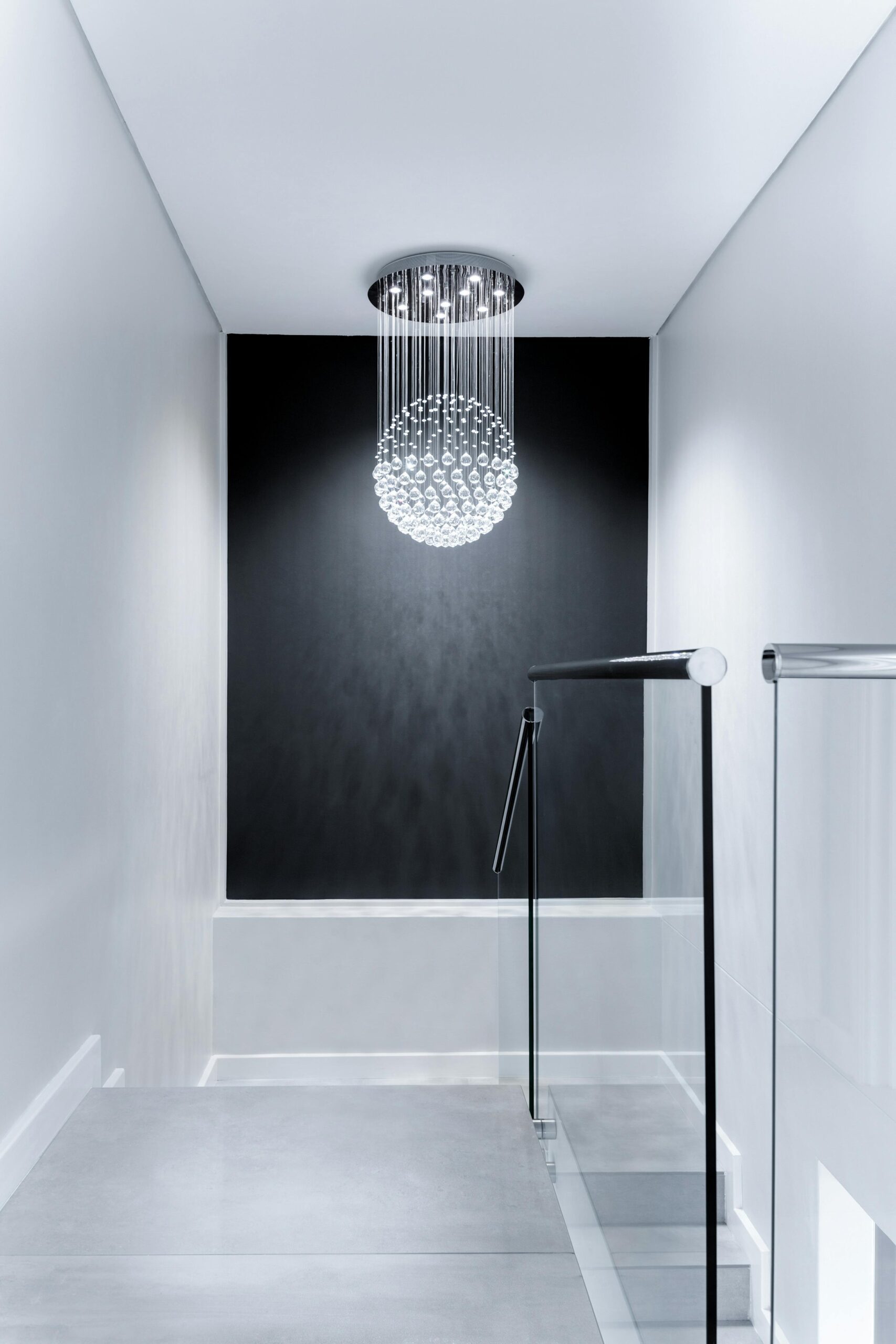
A common misconception is that interior designers only become useful after construction is complete. In reality, involving an interior designer early can completely transform the outcome of a project.
You should consider hiring both professionals if you are:
- Building a new home
- Renovating multiple rooms
- Adding an extension
- Reconfiguring layouts
- Making structural changes
- Wanting a highly customized home
Bringing an interior designer into the project from the beginning allows practical details to be integrated into the architecture itself rather than added later as compromises.
Common Challenges When Architects and Interior Designers Don’t Collaborate
Projects can become frustrating when these professionals work separately instead of together.
Some common issues include:
Awkward Layouts
A room may look impressive on paper but function poorly in reality. Furniture might not fit properly, pathways may feel cramped, or storage may be overlooked.
Lighting Problems
Lighting is one of the most important elements in interior design, yet it’s often neglected when planning happens without collaboration.
An interior designer considers:
- Task lighting
- Mood lighting
- Fixture placement
- Furniture relationships
Without this input, lighting plans may feel disconnected from how the space is actually used.
Expensive Revisions
Late-stage changes often increase costs and delay timelines. Moving electrical points, redesigning cabinetry, or altering layouts after construction begins can quickly become expensive.
A Disconnected Final Result
Homes feel most luxurious when every detail works together. Without collaboration, interiors and architecture can feel mismatched instead of cohesive.
The Benefits of Long-Term Professional Relationships
Many interior designers prefer working with architects they already know and trust. Over time, these professional relationships become smoother and more productive.
Why does this matter?
Because familiarity creates:
- Better communication
- Faster decision-making
- More efficient workflows
- Stronger creative alignment
Experienced teams often anticipate challenges before they arise, making projects far less stressful for homeowners.
How to Choose the Right Architect and Interior Designer
If you’re planning a project, selecting professionals who collaborate well is just as important as reviewing their portfolios.
Here are a few things to look for:
Shared Design Style
Do their aesthetics complement one another? A modern architect and a traditional interior designer may struggle to create a cohesive result unless there’s clear alignment.
Strong Communication Skills
Good collaboration depends on clear communication. During consultations, pay attention to whether they listen carefully and explain ideas clearly.
Experience Working Together
Teams that have collaborated before often work more efficiently and avoid unnecessary friction.
Client-Focused Approach
The best projects prioritize the homeowner’s lifestyle rather than personal creative agendas. Your needs should always remain central to the design process.
Do Interior Designers Work With Architects on Luxury Homes?
Absolutely, and in luxury residential design, collaboration is often expected.
High-end homes involve extensive customization, detailed craftsmanship, and carefully curated interiors. Architects and interior designers work together to ensure:
- Every room flows naturally
- Materials complement the architecture
- Lighting enhances the atmosphere
- Spaces feel elegant and functional
- The home reflects the client’s personality
Luxury projects especially benefit from early collaboration because even small details can have a significant impact on the final result.
The Future of Architect and Interior Designer Collaboration
Modern homeowners increasingly want spaces that feel personalized, functional, and emotionally connected to their lifestyles. Because of this, collaboration between architects and interior designers is becoming more integrated than ever before.
Rather than working in separate phases, many professionals now approach projects as collaborative partnerships from start to finish.
This shift leads to:
- More thoughtful homes
- Better user experiences
- Smarter layouts
- More cohesive aesthetics
- Improved project efficiency
In today’s design world, collaboration is no longer optional; it’s often the key to exceptional results.
Final Thoughts
So, do interior designers work with architects? In many cases, they absolutely do, and the partnership can make all the difference between a home that simply looks good and one that truly works beautifully.
Architects provide the structural expertise and technical planning needed to create safe, functional buildings. Interior designers add warmth, personality, functionality, and comfort, transforming those buildings into livable homes.
When these professionals collaborate from the earliest stages of a project, homeowners benefit from smoother workflows, fewer costly mistakes, and more cohesive designs that feel intentional from the inside out.
Whether you’re planning a renovation, extension, or an entirely new build, involving both an architect and an interior designer early in the process can help bring your vision to life as seamlessly as possible.