
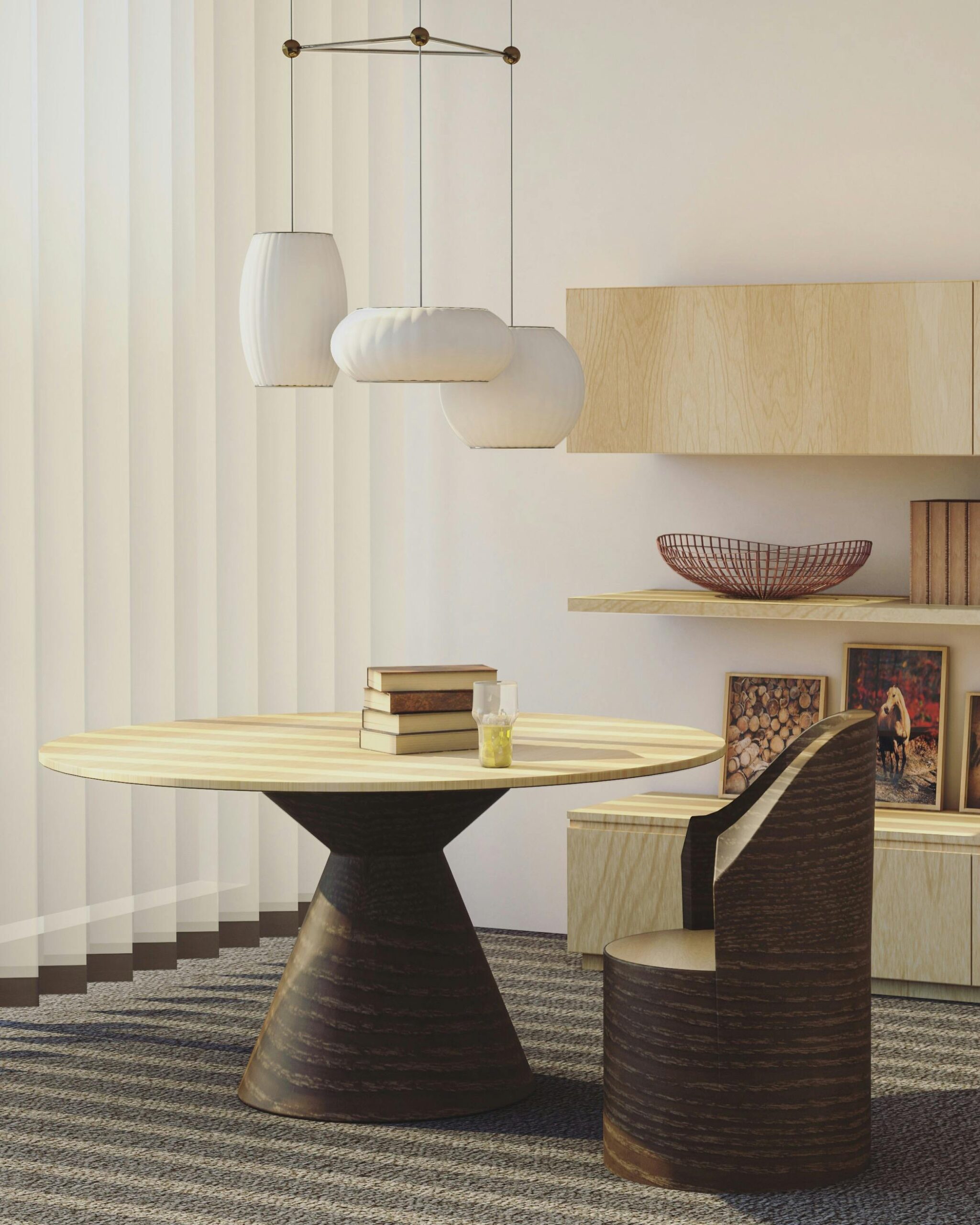
Walk into any successful modern business today, and you’ll notice something immediately: the space itself tells a story. Whether it’s a sleek corporate office, a welcoming café, a luxury retail store, or a creative coworking hub, the environment shapes how people feel, interact, and even make decisions. That’s exactly why understanding how to design commercial interiors has become more important than ever for modern businesses.
Commercial interior design is no longer just about making a space look attractive. It’s about creating environments that improve productivity, strengthen brand identity, enhance customer experiences, and support everyday functionality. In today’s competitive business landscape, companies are realizing that thoughtful interior design is not a luxury; it’s a strategic investment.
In this guide, we’ll explore how to design commercial interiors that not only look visually impressive but also work effectively for employees, customers, and long-term business growth.
What Is Commercial Interior Design?
Before diving into how to design commercial interiors, it’s important to understand what commercial interior design actually involves.
Commercial interior design focuses on spaces used for business purposes, including:
- Offices
- Restaurants
- Retail stores
- Hotels
- Cafés
- Coworking spaces
- Clinics
- Studios
- Hospitality venues
Unlike residential interiors, commercial spaces must balance aesthetics with functionality on a much larger scale. Every design decision affects how customers experience the brand and how efficiently employees perform their work.
A beautifully designed office that lacks comfort or workflow efficiency won’t support productivity. Similarly, a retail store that looks impressive but feels confusing to navigate can negatively affect customer behavior.
The best commercial interiors blend:
- Functionality
- Brand identity
- User experience
- Durability
- Technology
- Comfort
- Visual appeal
Why Commercial Interior Design Matters for Modern Businesses
Modern businesses operate in an environment where customer expectations are constantly evolving. People don’t just buy products or services anymore; they buy experiences.
This is why commercial interior design has become a powerful business tool.
A thoughtfully designed commercial space can:
- Improve employee morale
- Increase productivity
- Strengthen brand perception
- Encourage customer engagement
- Create memorable first impressions
- Support operational efficiency
- Boost long-term profitability
Think about the difference between a poorly lit office with cramped workstations and an open, inviting workspace filled with natural light and thoughtful design details. The impact on mood and performance is significant.
The same applies to customer-facing businesses. Restaurants, hotels, and retail stores rely heavily on atmosphere to influence how people feel inside the space.
How to Design Commercial Interiors That Support Business Goals
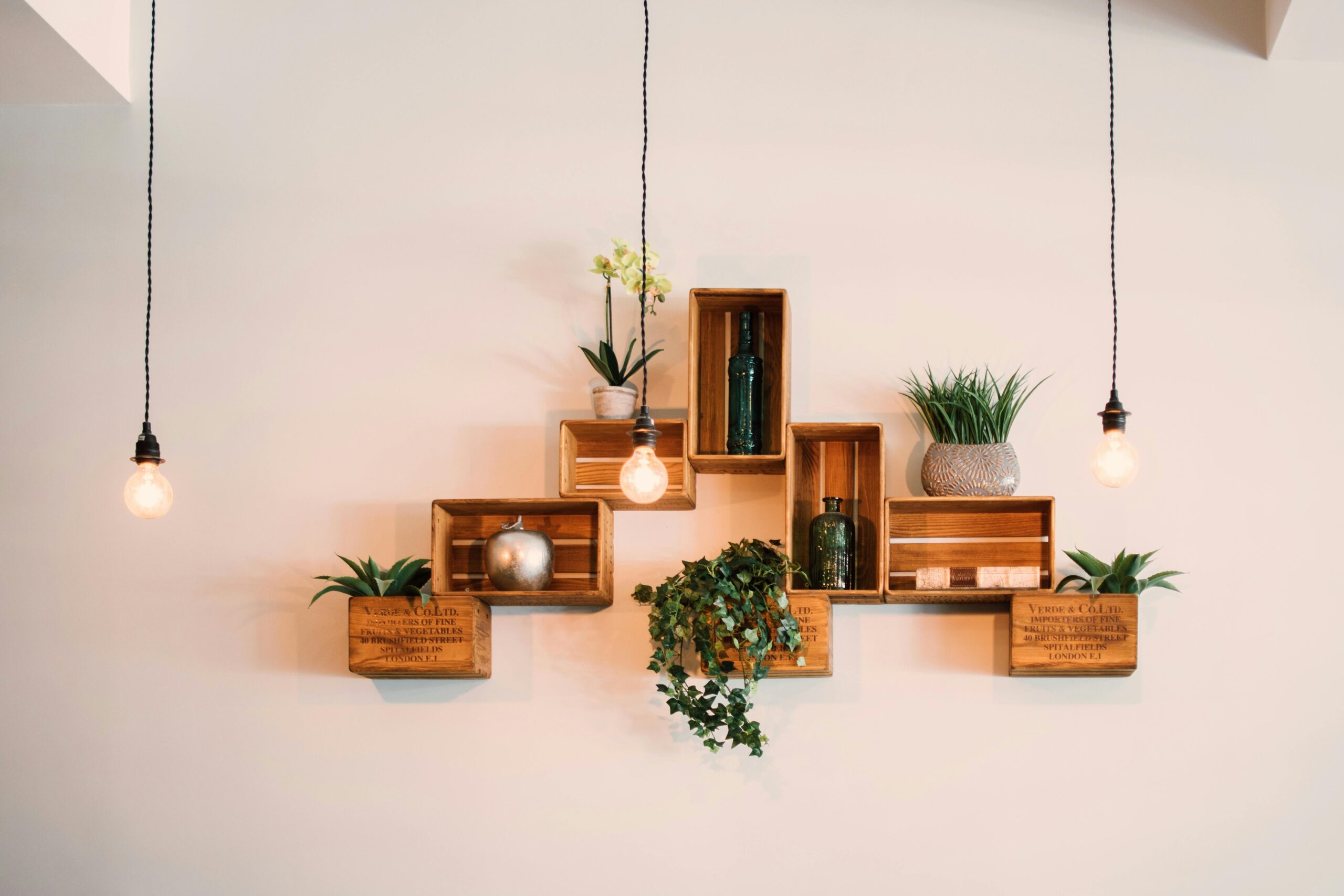
Designing a commercial space starts long before selecting furniture or paint colors. Every successful commercial interior begins with a clear understanding of the business itself.
Understand the Purpose of the Space
The first step in learning how to design commercial interiors is identifying how the space will actually function.
Ask questions like:
- Who will use the space?
- What activities happen there daily?
- How should people feel inside the environment?
- What business goals should the design support?
For example:
- Offices may prioritize productivity and collaboration
- Retail stores focus on customer flow and visual merchandising
- Restaurants emphasize atmosphere and comfort
- Hospitality spaces aim to create memorable guest experiences
A design that works beautifully for a creative studio may fail in a medical clinic. Function always comes first.
Prioritize Space Planning and Layout
Good commercial interior design is often invisible. People simply feel comfortable and naturally understand how to move through the space.
That comes down to smart space planning.
Effective layouts improve:
- Workflow
- Navigation
- Accessibility
- Customer movement
- Employee efficiency
For example, in office design:
- Open areas encourage collaboration
- Private rooms support focused work
- Breakout spaces improve employee wellness
In retail spaces:
- Layouts guide customers naturally through products
- Checkout areas should feel convenient
- Display placement influences purchasing behavior
Modern businesses benefit greatly from flexible layouts that can adapt as needs change over time.
Let Brand Identity Shape the Design
One of the most important aspects of how to design commercial interiors is ensuring the space reflects the brand itself.
Your interior should communicate your company’s personality the moment someone walks through the door.
Every design element contributes to brand identity, including:
- Color palettes
- Materials
- Lighting
- Furniture
- Artwork
- Textures
- Layout choices
For example:
- A luxury brand may use marble, velvet, and warm lighting
- A tech startup might favor industrial finishes and open layouts
- A wellness brand could focus on natural materials and calming tones
Strong branding creates an emotional connection and helps businesses stand out in competitive markets.
Use Lighting Strategically
Lighting can completely transform a commercial environment.
In modern commercial design, lighting is both functional and emotional. It affects:
- Productivity
- Mood
- Focus
- Comfort
- Customer perception
Natural light is especially valuable because it makes spaces feel open, welcoming, and energetic.
When designing commercial interiors, combine different types of lighting:
- Ambient lighting for overall illumination
- Task lighting for work-focused areas
- Accent lighting to highlight products or architectural features
Warm lighting can make restaurants and hospitality spaces feel cozy, while brighter lighting works better in clinics, offices, and retail environments.
Choose Durable and Practical Materials
Commercial spaces experience far more wear and tear than residential interiors. That’s why material selection matters so much.
When considering how to design commercial interiors, durability should never be overlooked.
Popular commercial materials include:
- Engineered wood
- Stone surfaces
- Commercial-grade flooring
- Durable upholstery
- Metal finishes
- Scratch-resistant laminates
The goal is to create a space that looks beautiful while handling heavy daily use.
Modern businesses also increasingly prioritize sustainable materials like:
- Recycled wood
- Bamboo
- Low-VOC paints
- Energy-efficient fixtures
Sustainability is no longer just a trend; it’s becoming an expectation.
Incorporate Technology Into the Design
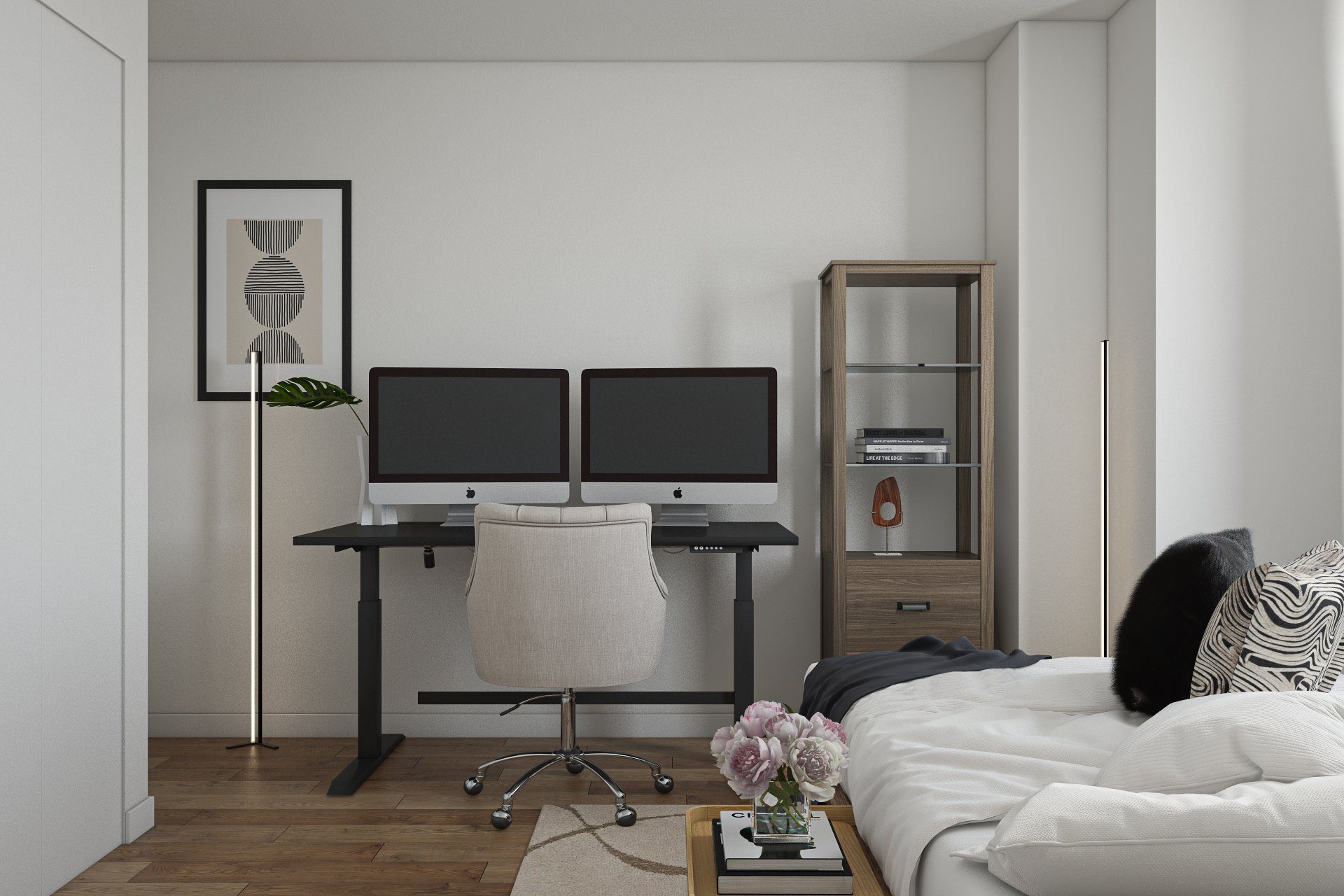
Technology is now fully integrated into commercial interior design.
Modern businesses require spaces that support:
- Smart lighting
- Digital displays
- Wi-Fi connectivity
- Video conferencing
- Charging stations
- Interactive customer experiences
Commercial interiors should feel technologically seamless rather than cluttered with visible cables and equipment.
In offices, integrated tech improves collaboration and productivity. In retail and hospitality spaces, technology enhances customer convenience and engagement.
Designing with technology in mind from the beginning avoids costly adjustments later.
Make Employee Experience a Priority
One of the biggest shifts in commercial interior design is the growing focus on employee well-being.
Modern businesses understand that workspace design directly impacts:
- Productivity
- Motivation
- Retention
- Collaboration
- Mental wellness
Employees perform better in spaces that feel comfortable, inspiring, and thoughtfully designed.
Features that improve workplace experience include:
- Ergonomic furniture
- Comfortable breakout spaces
- Acoustic control
- Natural lighting
- Flexible work areas
- Biophilic design elements like plants and greenery
A workplace should support both efficiency and human comfort.
Design Customer Experiences, Not Just Spaces
For customer-facing businesses, experience matters just as much as appearance.
Great commercial interiors create emotional responses that encourage people to stay longer, engage more deeply, and return again.
Think about:
- How customers move through the space
- What catches their attention first
- Where they naturally pause
- How comfortable they feel
Retail stores often use:
- Strategic lighting
- Open pathways
- Eye-level displays
- Inviting seating
- Sensory design elements
Restaurants and hospitality venues focus heavily on ambiance because atmosphere influences customer satisfaction.
Successful commercial interiors are designed around human behavior.
Popular Commercial Interior Design Styles
Businesses today have countless style options depending on their brand identity and audience.
Modern Minimalist
Minimalist design focuses on:
- Clean lines
- Neutral colors
- Open layouts
- Functional simplicity
This style works especially well for offices, clinics, and luxury commercial spaces.
Industrial Design
Industrial interiors feature:
- Exposed brick
- Metal finishes
- Concrete textures
- Open ceilings
Popular among startups, cafés, and creative studios, industrial design creates a raw, urban aesthetic.
Luxe Commercial Interiors
Luxury-focused spaces often use:
- Marble surfaces
- Velvet textures
- Gold accents
- Dramatic lighting
This style works beautifully in hospitality, luxury retail, and high-end office environments.
Biophilic and Nature-Inspired Design
Nature-inspired interiors are becoming increasingly popular because they create calming, healthier environments.
Features often include:
- Indoor plants
- Wood finishes
- Natural lighting
- Organic textures
- Earth-tone palettes
This style supports wellness-focused modern businesses.
Common Challenges in Commercial Interior Design
Even well-planned projects come with challenges.
Budget Constraints
Businesses often want premium aesthetics without exceeding budgets.
The solution is strategic spending:
- Invest in high-impact areas
- Prioritize durability
- Mix luxury finishes with cost-effective alternatives
Tight Timelines
Commercial delays can affect business operations and revenue.
Successful projects require:
- Strong project management
- Clear communication
- Early planning
- Reliable contractors
Limited Space
Urban commercial spaces are often compact.
Designers maximize smaller spaces through:
- Multi-functional furniture
- Open layouts
- Mirrors
- Vertical storage
- Strategic lighting
Small spaces can still feel spacious with thoughtful planning.
Future Trends in Commercial Interior Design
The future of commercial interiors is becoming more human-centered, flexible, and sustainable.
Some emerging trends include:
Flexible Workspaces
Rigid office layouts are disappearing. Businesses now prefer adaptable spaces that support collaboration, remote work, and changing team needs.
Sustainable Design
Eco-conscious materials and energy-efficient systems are becoming standard expectations rather than optional upgrades.
Broken Floor Plans
Instead of completely open layouts, businesses are using partial dividers, glass walls, and zoning techniques to create flexible separation without isolation.
Vintage and Warm Design Elements
Modern commercial spaces are moving away from sterile environments and embracing warmth through:
- Wood textures
- Vintage lighting
- Softer color palettes
- Comfortable furnishings
People want commercial spaces that feel more human and less corporate.
Final Thoughts
Learning how to design commercial interiors is about far more than selecting stylish furniture or trendy color schemes. The best commercial spaces successfully balance function, branding, comfort, technology, and user experience to support long-term business success.
Modern businesses need interiors that not only look impressive but also improve the way people work, shop, dine, collaborate, and connect. Every detail, from lighting and layout to materials and furniture, plays a role in shaping that experience.
Whether you’re designing an office, retail store, hospitality venue, or creative workspace, thoughtful commercial interior design can transform the way people interact with your business.
In today’s competitive world, your space is often your brand’s first impression. Make it one that people remember for all the right reasons.