
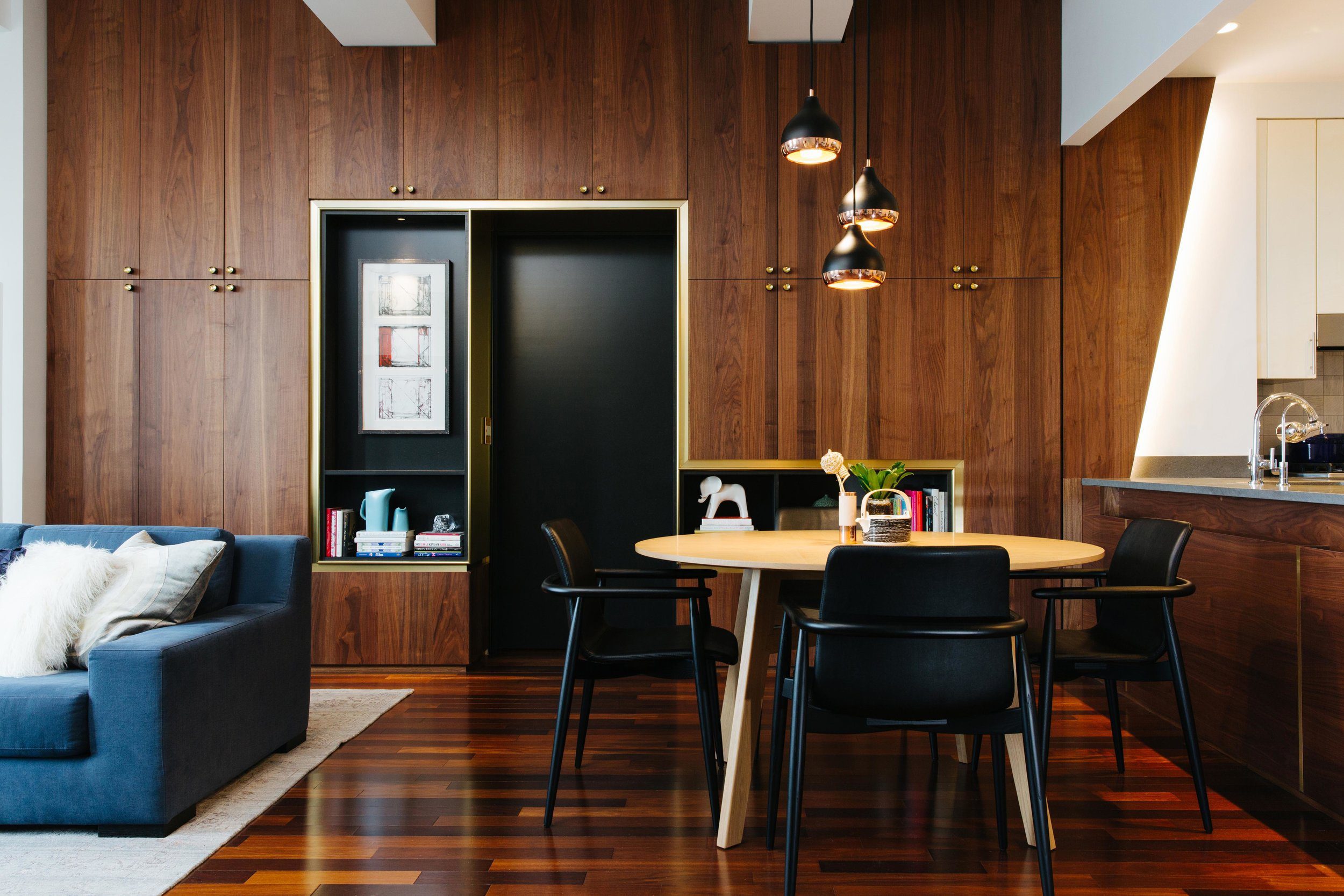
If you’ve been wondering how to start interior design business venture from the ground up, you’re not alone. With growing demand for well-designed residential and commercial spaces, interior design has become an attractive career path for creative professionals who want both artistic freedom and financial opportunity. The good news? You don’t need a massive firm, a long client list, or years of experience to begin. With the right planning, positioning, and systems, you can start an interior design business from scratch and grow it into a sustainable, profitable operation.
This guide walks you through every essential stage, from defining your services and brand to managing finances, marketing effectively, and scaling over time, using practical, real-world insights that apply whether you’re freelancing solo or building a full-service studio.
What Is an Interior Design Business?
An interior design business provides professional services to clients who want help designing, planning, and enhancing interior spaces. These services can range from simple consultations to full-scale design and project management. Interior designers work across residential and commercial sectors, helping homeowners, businesses, and organizations create spaces that are functional, visually appealing, and aligned with specific needs.
Interior design businesses may focus on homes, offices, retail spaces, hospitality environments, or specialized niches such as kitchens, lighting, or sustainable design. Many designers operate as solo entrepreneurs, while others build teams and collaborate closely with contractors, suppliers, and other industry professionals.
Understanding this scope is the foundation for learning how to start interior design business operations that are clear, focused, and profitable.
Why Start an Interior Design Business?
Starting an interior design business offers a unique mix of creative and professional rewards. One of the biggest advantages is creative freedom, you get to define your style, choose your projects, and shape your brand around your personal vision.
There’s also strong potential for professional growth. Interior design is a dynamic industry where each project builds experience, expands your portfolio, and strengthens your expertise. Over time, this can lead to higher-profile clients and more specialized work.
From a financial perspective, interior designers can earn income through design fees, consultations, project management services, and commissions or partnerships with suppliers. As your reputation grows, so does your earning potential.
Finally, the industry offers diverse opportunities. Designers work with a wide range of clients and spaces, keeping the work engaging and opening doors to new collaborations and niches.
Step 1: Define Your Business Goals and Vision
The first step in learning how to start interior design business successfully is clarity. You need a clear vision for what you want your business to become.
Start by defining your goals. Ask yourself what type of designer you want to be, who you want to serve, and what kinds of projects excite you most. Are you aiming for residential homes, commercial offices, or a mix of both? Do you want to work locally, remotely, or through e-design?
From there, create a basic business plan. This doesn’t need to be overly complex, but it should outline your target market, services, pricing approach, and growth goals. A strong vision keeps you focused and helps attract the right clients.
Step 2: Identify Your Style and Niche
Your design style and niche are what set you apart in a competitive market. Clients are more likely to hire designers who have a clear aesthetic and specialty rather than those who try to do everything.
Consider what types of spaces you enjoy designing and which clients you want to work with. Some designers focus on family homes, others on condos, offices, or retail spaces. You may also choose to specialize in certain areas like kitchens and baths, lighting design, or sustainable interiors.
Defining your niche makes it easier to market your services, build authority, and position yourself as an expert rather than a generalist.
Step 3: Define Your Interior Design Services
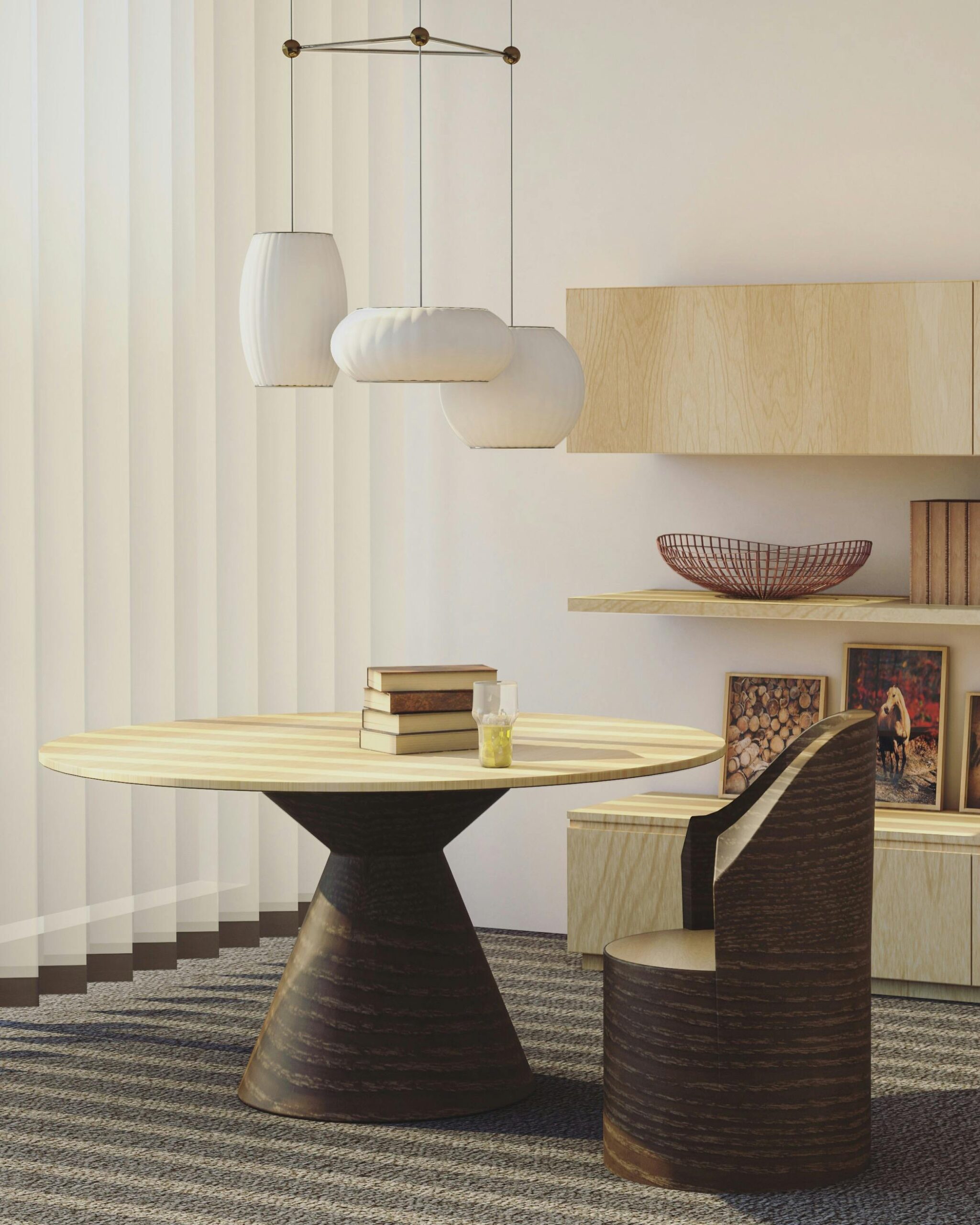
A critical part of how to start interior design business planning is deciding exactly what services you’ll offer. Clear service offerings help clients understand what you do and prevent you from overextending yourself.
Common interior design services include full-service design, partial or project-based design, hourly consultations, and e-design. Full-service design typically involves managing the entire project from concept to installation, while partial services focus on specific aspects like space planning or material selection.
You may also offer specialized services such as kitchen and bath design, commercial interiors, lighting design, or sustainable design solutions. Start with a manageable set of services and expand as your experience grows.
Step 4: Build a Strong Portfolio
Your portfolio is the most important marketing tool for your interior design business. Even if you’re starting from scratch, you can still create a compelling portfolio.
If you don’t yet have client projects, include conceptual designs, mood boards, 3D renderings, or even redesigned spaces from your own home. The goal is to showcase your style, creativity, and problem-solving skills.
As you complete real projects, update your portfolio regularly with high-quality visuals and clear descriptions. A strong portfolio builds trust and helps potential clients envision what you can do for them.
Step 5: Set Up Your Business Legally
Before taking on clients, you’ll need to set up your business properly. This includes choosing a business name, selecting a legal structure, and registering your business with the appropriate authorities.
You’ll also need to research any licenses or permits required in your area. Requirements can vary by location, so it’s important to ensure you’re operating legally from the start.
Taking care of these details early protects you and gives your business a professional foundation.
Step 6: Establish a Functional Workspace
Your workspace plays a key role in productivity and professionalism. Many interior designers begin with a home office to keep costs low, especially when starting out.
Your workspace should be organized, well-lit, and equipped with the tools you need to manage projects efficiently. If you work from home, you can meet clients in their spaces or neutral locations while maintaining a professional image.
As your business grows, you may choose to move into a dedicated studio or office, but starting small is often the smartest approach.
Step 7: Define Your Pricing Structure
Pricing is one of the most challenging aspects of learning how to start interior design business operations. Your pricing should reflect your experience, market rates, and the value you provide.
Common pricing models include hourly rates, flat fees, percentages of project costs, or pricing based on square footage. Whatever structure you choose, clarity is essential.
Use contracts to outline your services, fees, and expectations. Clear pricing builds trust and prevents misunderstandings with clients.
Step 8: Build Relationships and a Professional Network
Interior design is a relationship-driven industry. Building strong connections with contractors, suppliers, architects, and other professionals is essential for delivering successful projects.
Networking can lead to referrals, better pricing from suppliers, and smoother project execution. Attend industry events, join professional associations, and engage with design communities both online and offline.
Strong professional relationships don’t just support your projects, they support the long-term growth of your business.
Step 9: Create a Professional Website and Online Presence
A professional website is no longer optional, it’s a core part of how to start interior design business visibility. Your website should showcase your portfolio, services, contact information, and client testimonials.
Search engine optimization (SEO) helps potential clients find you online, while a blog can establish your expertise and improve visibility. Sharing insights, design tips, and project highlights positions you as a knowledgeable professional.
Social media platforms are also powerful tools. Visual platforms allow you to showcase your work, connect with audiences, and build brand recognition over time.
Step 10: Market Your Interior Design Business
Marketing is essential for attracting clients, especially in the early stages. Start by building a consistent brand identity, including your business name, logo, and visual style.
Use social media to share your work, behind-the-scenes content, and design inspiration. Networking with real estate professionals, developers, and other related businesses can also generate valuable referrals.
Encourage satisfied clients to leave testimonials and recommend your services. Word-of-mouth remains one of the most powerful marketing tools in interior design.
Step 11: Manage Your Business Effectively
Running a successful interior design business requires strong management systems. Client communication should be clear and transparent, with regular updates on project progress.
Project management tools can help you track timelines, budgets, and deliverables, especially when handling multiple projects. Financial management is equally important—track expenses, invoice properly, and manage cash flow carefully.
Continuing education also plays a role in effective management. Staying current with design trends, materials, and techniques keeps your services relevant and competitive.
Understanding Costs and Profitability
The cost of starting an interior design business varies depending on factors such as workspace, software, marketing, and whether you hire staff. Starting small helps reduce risk and allows you to scale gradually.
Profitability depends on your pricing strategy, niche, client base, overhead costs, and ability to manage projects efficiently. Specializing in a niche and building strong supplier relationships can improve margins and long-term success.
Benefits and Challenges of Starting From Scratch
Starting an interior design business from scratch offers creative freedom, growth opportunities, financial potential, and a diverse range of projects. However, it also comes with challenges.
Building a client base takes time and consistent marketing. Managing finances, handling multiple projects, and staying current with trends require discipline and organization.
Understanding these challenges upfront prepares you to navigate them effectively.
Final Thoughts: Turning Vision Into Reality
Learning how to start interior design business successfully is about more than creativity—it’s about strategy, consistency, and thoughtful execution. By defining your vision, building a strong portfolio, setting up professional systems, and marketing yourself effectively, you can turn your passion for design into a thriving business.
Starting from scratch may feel overwhelming, but every successful interior design studio began the same way, with a clear idea, a commitment to learning, and the courage to take the first step. With patience and persistence, your interior design business can grow into a fulfilling and profitable career.