
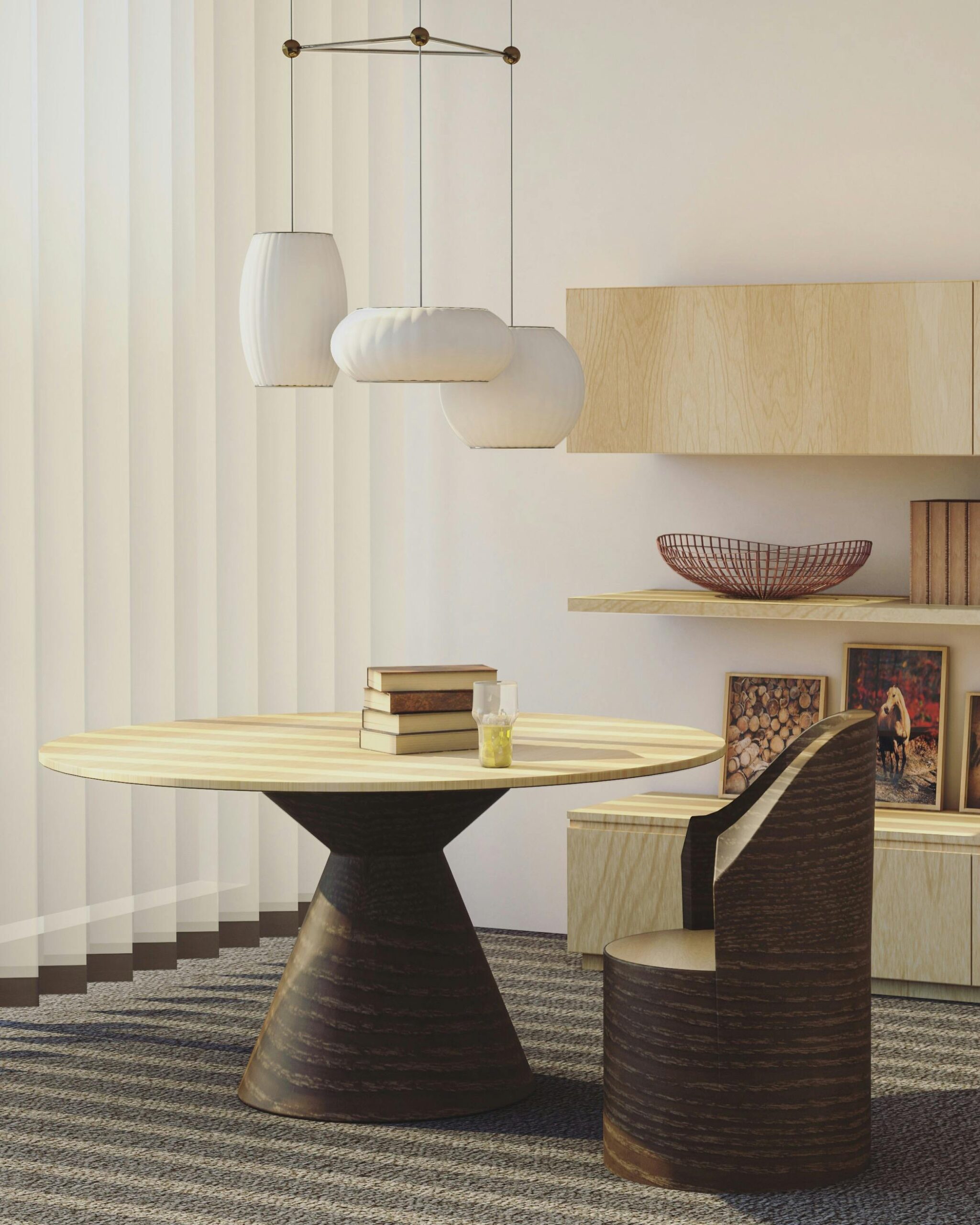
Hiring an Airbnb interior designer is one of the most effective ways to transform a short-term rental into a high-performing property that attracts more bookings, earns better reviews, and increases overall profitability. In today’s competitive vacation rental market, guests are no longer satisfied with basic furnishings or a clean space alone.
They are looking for memorable experiences, emotional comfort, and thoughtfully designed environments that feel both functional and inspiring.
An experienced Airbnb interior designer focuses on more than aesthetics. The goal is to create a guest-centered space that blends style, practicality, and storytelling.
Every detail, from lighting and layout to textures and local touches- plays a role in shaping how guests feel during their stay and whether they choose to return or recommend the property to others.
This blog explores how strategic Airbnb interior design helps increase bookings and why design is one of the most powerful tools for vacation rental success.
Why an Airbnb Interior Designer Matters for Bookings
Modern travelers book with intention. They compare listings not only on price and location but also on design, atmosphere, and perceived experience. A well-designed space stands out instantly in photos and creates a stronger emotional connection before guests even arrive.
An Airbnb interior designer helps hosts achieve key performance goals:
- Higher booking rates
- Stronger guest reviews
- Increased nightly pricing potential
- More repeat guests
- Improved listing visibility through better photos
At its core, Airbnb design is about creating a feeling. Guests are not just booking accommodation, they are choosing an experience that feels welcoming, comfortable, and memorable.
Creating Guest Experiences That Drive Bookings
A successful rental is built around how guests experience the space from arrival to departure. An Airbnb interior designer focuses on creating environments that feel intuitive, inviting, and easy to use.
First Impressions Matter
The moment guests walk into a property, they begin forming opinions. A welcoming atmosphere sets the tone for the entire stay. Clean layouts, thoughtful furniture placement, and a sense of flow help guests feel immediately at ease.
Key elements include:
- Clear entryway organization
- Comfortable seating arrangements
- Visually calm and clutter-free design
- Easy-to-understand spatial layout
A strong first impression builds trust and sets expectations for a high-quality stay.
Designing for Emotional Comfort
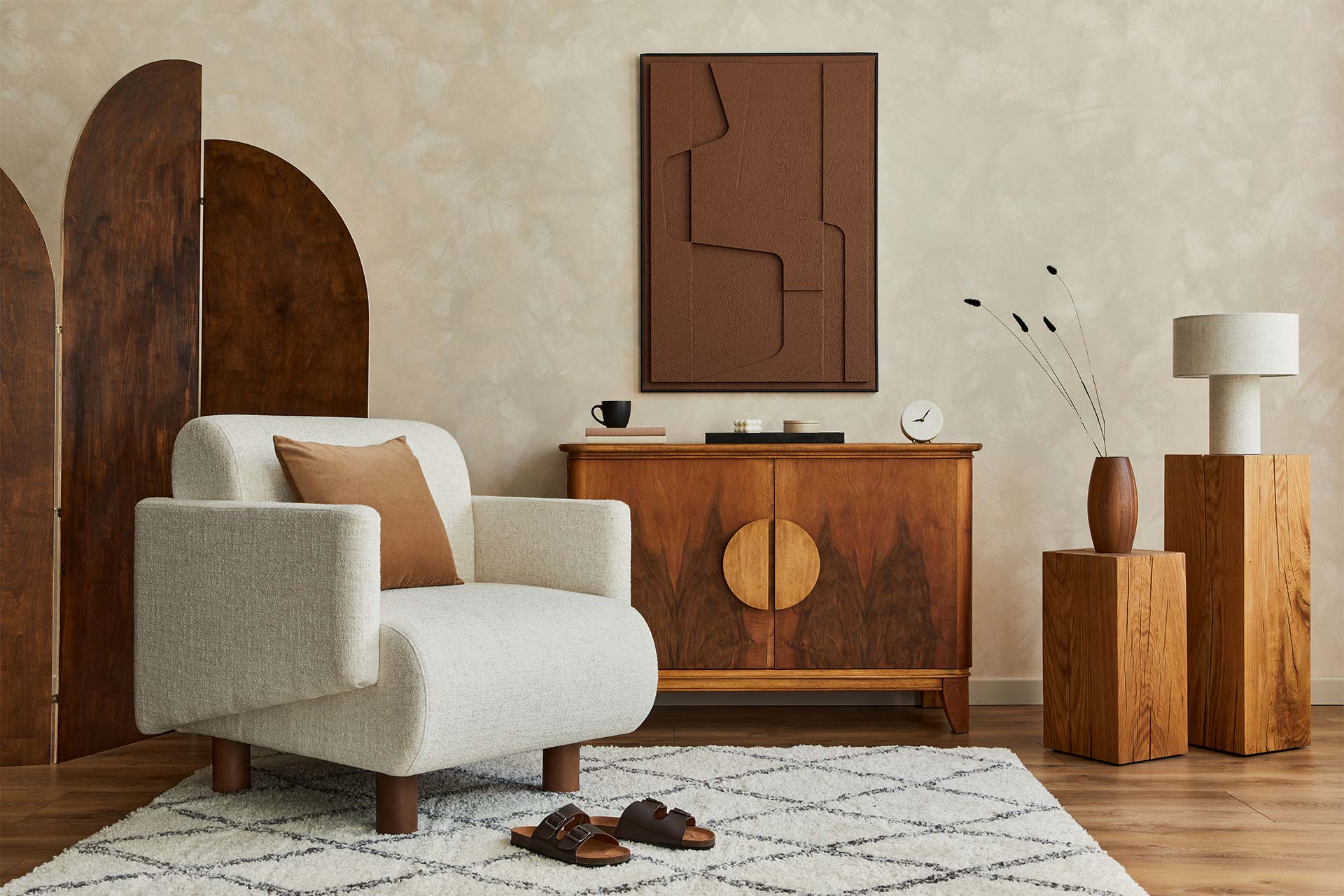
Beyond functionality, successful Airbnb interiors evoke emotion. Guests should feel relaxed, comfortable, and cared for.
This is achieved through:
- Soft, inviting furnishings
- Warm lighting choices
- Balanced color palettes
- Cozy bedroom setups
- Thoughtful decorative details
When guests feel emotionally comfortable, they are more likely to leave positive reviews and recommend the property.
The Role of Layout in Increasing Airbnb Bookings
One of the most important responsibilities of an Airbnb interior designer is optimizing the layout. Even beautiful spaces can underperform if the layout is confusing or impractical.
Functional Flow and Usability
A well-designed layout ensures guests can move easily through the space and use it without frustration. Every element should have a clear purpose.
Effective layouts prioritize:
- Easy access to essentials
- Logical furniture placement
- Comfortable movement paths
- Multi-use living areas
Small Space Optimization
Many Airbnb properties, especially in urban locations, have limited square footage. Smart layout planning can make even small spaces feel open and comfortable.
Strategies include:
- Multi-functional furniture (storage ottomans, fold-out tables)
- Mirrors to enhance light and space perception
- Compact yet efficient furniture arrangements
- Defined zones within open-plan areas
A well-optimized layout increases comfort and perceived value, which directly impacts booking rates.
Lighting and Texture: The Booking Impact Factors
Lighting and texture are often underestimated in vacation rental design, yet they significantly influence guest perception and listing performance.
Layered Lighting for Atmosphere
An experienced Airbnb interior designer uses lighting to create mood and enhance photography, which is critical for online bookings.
Effective lighting strategies include:
- Warm-toned ambient lighting
- Layered sources such as floor lamps and wall sconces
- Accent lighting for key design features
- Soft lighting for relaxation zones
Good lighting makes spaces feel more inviting both in person and in listing photos, increasing click-through rates and conversions.
Texture for Depth and Quality
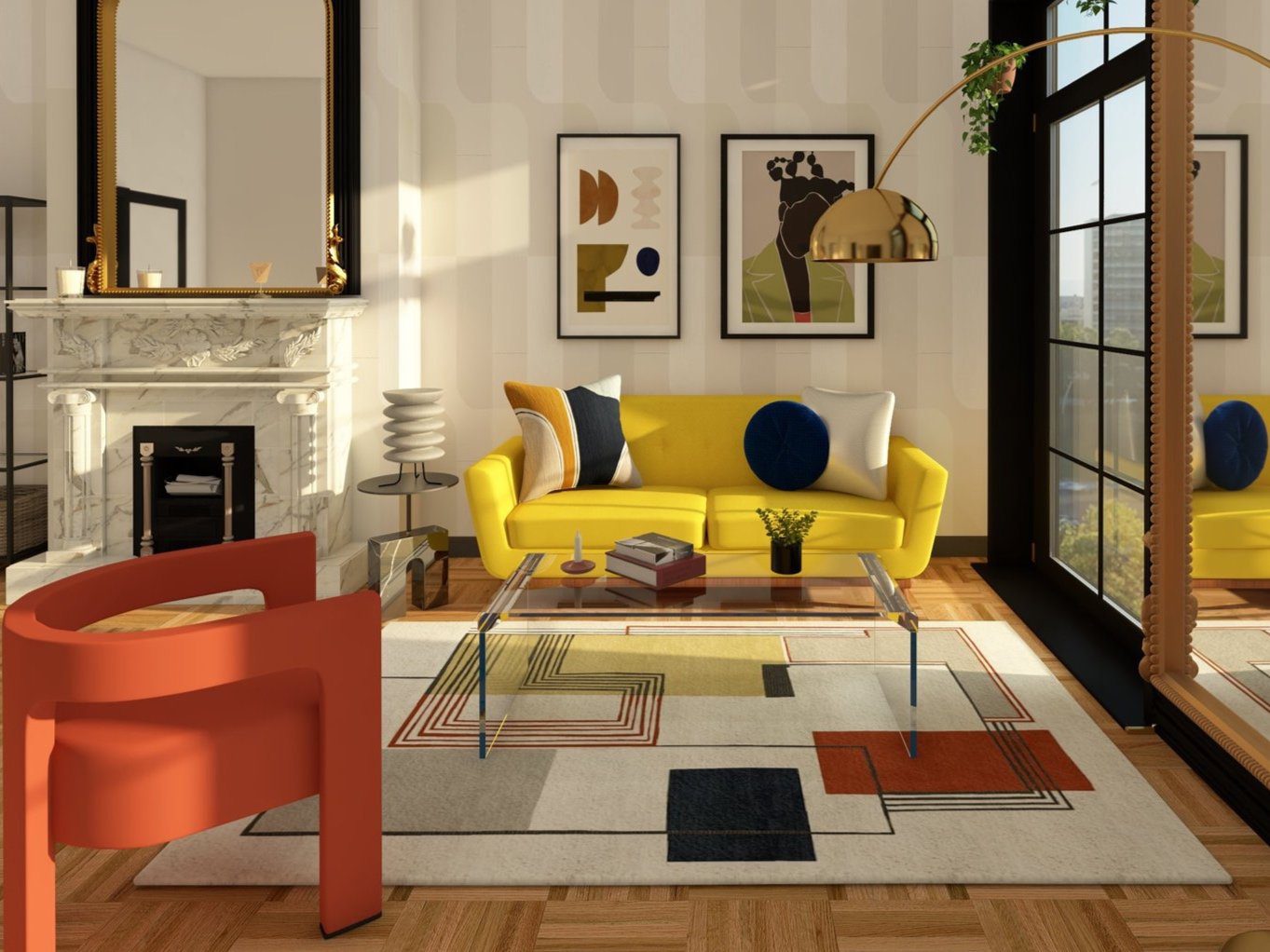
Texture adds visual richness and a sense of comfort. It also communicates quality, which influences guest expectations.
Common materials include:
- Wood for warmth and structure
- Linen for softness
- Stone for natural appeal
- Jute and woven fabrics for organic texture
These elements create a layered, tactile environment that feels more premium and memorable.
Creating a Signature Airbnb Style That Attracts Guests
One of the most powerful strategies an Airbnb interior designer uses is developing a strong, recognizable design identity. A signature style helps properties stand out in crowded marketplaces.
Location-Inspired Design
Design should reflect the surrounding environment and culture. This makes the property feel authentic and memorable.
Examples include:
- Urban apartments with modern or vintage character
- Coastal properties with light, airy tones and natural textures
- Countryside homes with warm neutrals and rustic materials
A location-driven design creates a sense of place that enhances guest experience.
Consistency Across the Space
A cohesive design language builds trust and visual harmony. When every room feels connected, guests perceive the property as more professional and high-quality.
Consistency includes:
- Unified color palette
- Matching material choices
- Coordinated furniture style
- Repeated design accents
Local Touches That Improve Guest Experience
Adding local character is a proven way to increase guest satisfaction and improve reviews. Travelers want to feel connected to the destination, not just the property.
Examples of Local Integration
An Airbnb interior designer may include:
- Local artwork or photography
- Books about the region
- Handwritten welcome notes
- Curated local recommendations
- Native plants or natural elements
These thoughtful additions create emotional connection and help guests feel immersed in the location.
Storytelling Through Design
Every property has a story, and design helps communicate it. Whether it’s a city apartment or a countryside retreat, storytelling adds depth and memorability.
This approach transforms a stay from transactional to experiential, which increases guest satisfaction and repeat bookings.
Functionality: Designing for Real Guests, Not Just Photos
While visual appeal is important, functionality is what determines guest satisfaction. A skilled Airbnb interior designer ensures that spaces work seamlessly in real-life use.

Essential Functional Design Elements
- Durable, easy-to-clean surfaces
- Smart storage solutions
- Fully equipped kitchens
- Reliable lighting and power access
- Comfortable sleeping arrangements
Supporting Different Guest Needs
Modern travelers have diverse expectations. Properties may need to accommodate:
- Remote workers needing desk space
- Families requiring flexible layouts
- Couples seeking cozy, private areas
- Short-stay guests prioritizing convenience
Designing for functionality ensures that all guests feel supported during their stay.
Outdoor Spaces as Booking Enhancers
Outdoor areas can significantly increase the attractiveness of a listing. Even small balconies or patios can become major selling points when designed thoughtfully.
Outdoor Design Features That Improve Bookings
- Comfortable seating areas
- Greenery and natural elements
- Relaxation-friendly layouts
- Simple yet inviting styling
Well-designed outdoor spaces extend the living area and improve the overall guest experience.
How Airbnb Interior Design Improves Reviews and Repeat Bookings
Guest satisfaction is directly tied to design quality. When a space feels intuitive, comfortable, and visually appealing, guests are more likely to leave positive reviews.
Positive Review Drivers
- Ease of use throughout the space
- Comfort and relaxation
- Clean and cohesive design
- Thoughtful guest amenities
- Memorable atmosphere
Encouraging Repeat Guests
A well-designed Airbnb creates emotional impact. When guests associate a space with comfort and enjoyment, they are more likely to return.
This long-term loyalty is one of the most valuable outcomes of investing in professional design.
The Business Impact of Hiring an Airbnb Interior Designer
Beyond aesthetics, hiring an Airbnb interior designer is a business decision. Good design directly influences revenue performance.
Key Business Benefits
- Increased occupancy rates
- Higher nightly pricing potential
- Improved guest retention
- Better online visibility through standout listings
- Stronger brand identity for the property
Design becomes a competitive advantage in a saturated market.
Final Thoughts: Designing for Experience and Profitability
The role of an Airbnb interior designer goes far beyond decoration. It is about creating spaces that connect with guests emotionally, function smoothly in real life, and perform strongly in a competitive marketplace.
Successful Airbnb design combines:
- Guest-focused layouts
- Warm and inviting aesthetics
- Layered lighting and texture
- Strong local identity
- Practical functionality
- Memorable experiences
When these elements work together, they transform ordinary rentals into high-performing properties that consistently attract bookings, earn five-star reviews, and generate long-term profitability.
In the evolving short-term rental industry, thoughtful design is not optional, it is essential for success.