
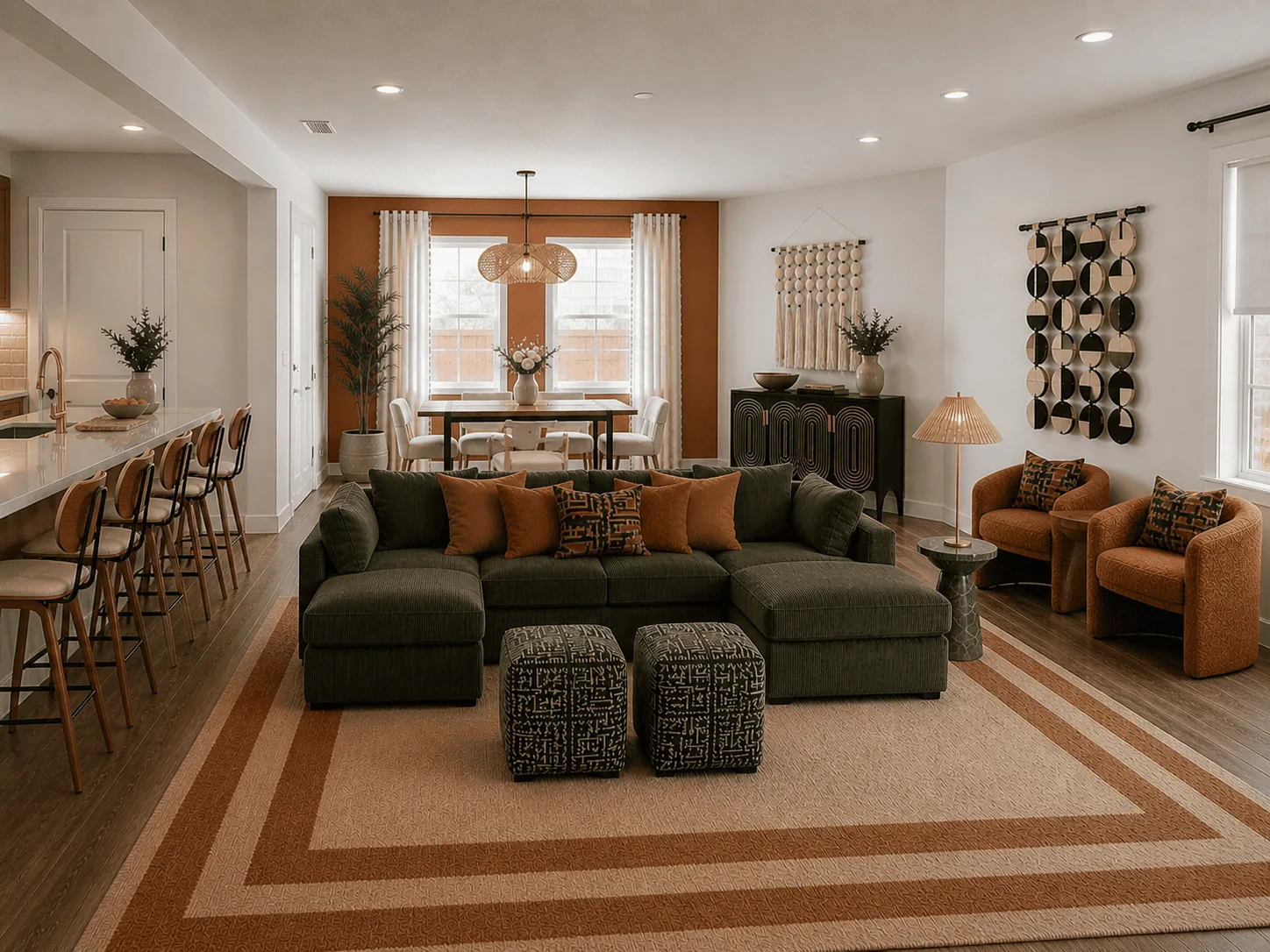
The commercial design landscape is evolving rapidly, and the 2026 commercial interior design trends reveal a clear shift toward spaces that prioritize wellness, sustainability, flexibility, and user experience.
Businesses today expect more from their interiors than attractive aesthetics. They need environments that support employee well-being, enhance productivity, strengthen brand identity, and adapt to changing operational needs.
As organizations continue to rethink how people work, shop, learn, heal, and interact, commercial interiors are becoming more human-centered and performance-driven. Designers are blending innovative technologies with nature-inspired elements, sustainable materials, and sensory-focused experiences to create spaces that are both functional and memorable.
From wellness-centric workplaces and biophilic environments to smart building technologies and advanced acoustic solutions, the 2026 commercial interior design trends are reshaping offices, hospitality venues, retail stores, healthcare facilities, and educational institutions alike.
Wellness-Centric Design Remains a Top Priority
One of the most influential 2026 commercial interior design trends is the continued focus on occupant wellness. Organizations increasingly understand that interior environments have a direct impact on mental health, employee satisfaction, productivity, and overall performance.
Modern commercial spaces are being designed to support both physical and emotional well-being. Rather than viewing wellness as an optional feature, businesses now see it as a fundamental component of workplace success.
Designers are implementing wellness-focused strategies such as:
- Maximizing access to natural daylight
- Improving indoor air quality
- Creating comfortable relaxation zones
- Encouraging movement throughout the workspace
- Providing quiet areas for focused work
- Supporting mental health through calming environments
The rise of hybrid work has further accelerated this trend. Since employees now have greater flexibility in where they work, offices must provide experiences that cannot be replicated at home.
Comfortable, healthy, and inspiring environments help attract employees back into shared spaces while supporting collaboration and engagement.
Wellness-focused design is also influencing hospitality, healthcare, and education sectors, where user comfort and experience play a critical role in overall satisfaction.
Biophilic Design Strengthens the Connection to Nature
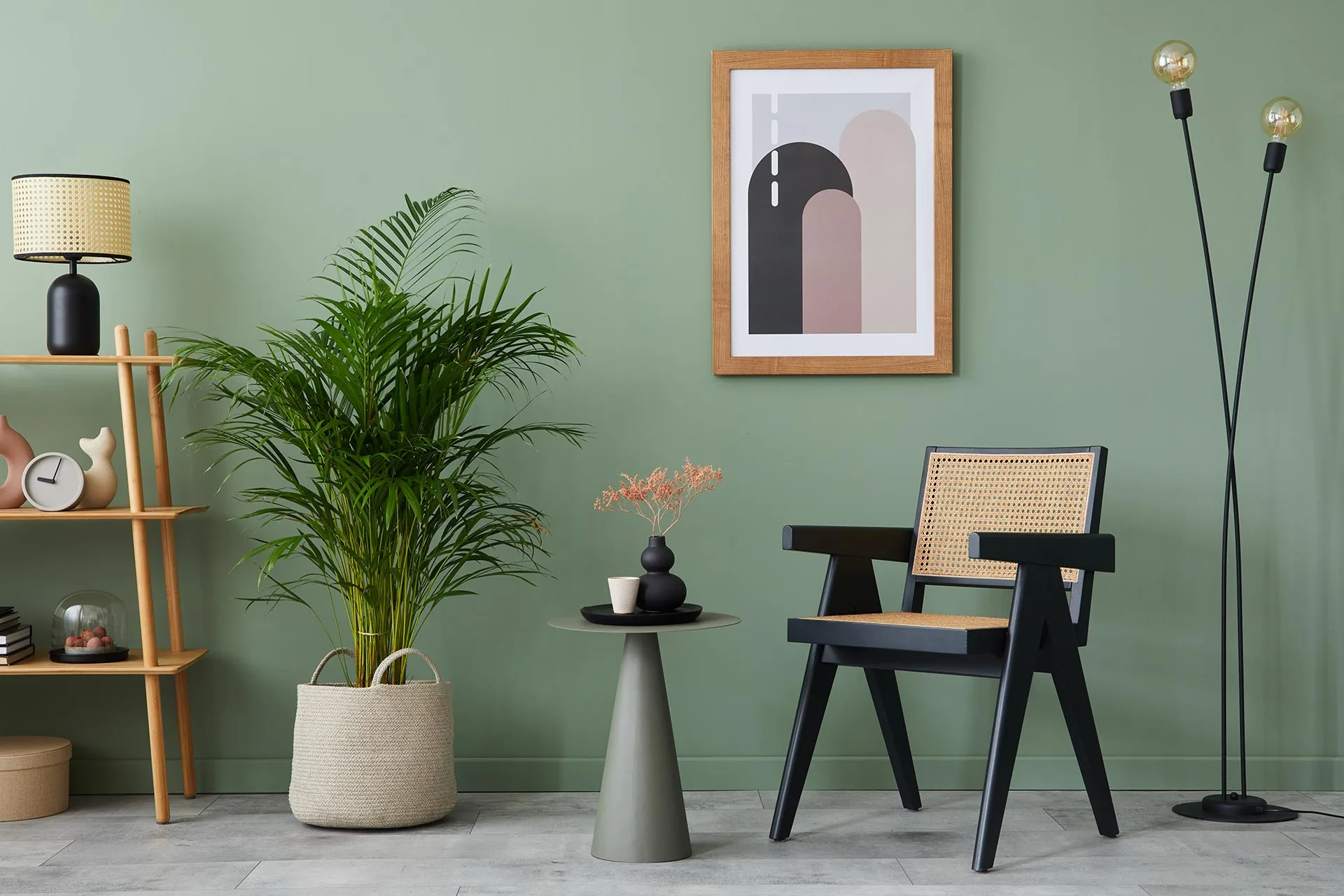
Biophilic design continues to be one of the defining characteristics of commercial interiors in 2026. As urban environments become increasingly digital and fast-paced, businesses are seeking ways to reconnect people with nature.
Biophilic design goes beyond simply adding plants to a space. It involves intentionally incorporating natural elements, patterns, materials, and experiences that foster a stronger relationship between occupants and the natural world.
Popular biophilic design features include:
- Indoor gardens and living walls
- Abundant natural light
- Natural wood finishes
- Stone-inspired surfaces
- Water-inspired design elements
- Organic architectural forms
- Nature-inspired artwork and graphics
These elements contribute to healthier indoor environments while creating spaces that feel calmer and more restorative.
Healthcare facilities are increasingly using biophilic principles to support healing and recovery. Educational institutions are incorporating natural materials and daylight to improve learning outcomes. Offices are embracing nature-inspired design to reduce stress and improve employee engagement.
As businesses continue to prioritize wellness, biophilic design will remain a major force shaping commercial interiors throughout 2026 and beyond.
Warm Color Palettes Replace Cool Minimalism
For years, commercial interiors were dominated by cool gray palettes, stark white walls, and ultra-minimalist aesthetics. However, one of the most noticeable 2026 commercial interior design trends is the transition toward warmer, more inviting color schemes.
Designers are drawing inspiration directly from nature, using colors that evoke comfort, balance, and familiarity.
Trending colors include:
- Warm beige
- Soft taupe
- Rich browns
- Earthy terracotta
- Olive green
- Deep forest green
- Muted gemstone tones
These colors create welcoming environments that feel grounded and authentic. Rather than overwhelming spaces with bold colors, designers are using strategic accent hues inspired by flowers, minerals, and natural landscapes to add visual interest.
This shift reflects a broader desire for interiors that provide stability and comfort in an increasingly fast-moving world. Warm color palettes help create environments where people feel relaxed, focused, and connected.
Texture Becomes Essential to Interior Design
As digital experiences continue to dominate everyday life, commercial designers are placing greater emphasis on tactile experiences. Texture has become a critical element in creating spaces that feel engaging, memorable, and human-centered.
Rather than relying solely on visual appeal, designers are incorporating layered materials that encourage physical interaction and sensory engagement.
Popular textured elements include:
- Woven fabrics
- Natural stone finishes
- Handmade ceramics
- Textured wall coverings
- Wood grain surfaces
- Acoustic felt panels
- Decorative plaster finishes
Texture adds depth and richness to commercial interiors while helping spaces feel more authentic. Even neutral color palettes become visually interesting when combined with diverse materials and tactile surfaces.
This trend also aligns with the growing desire for environments that feel less sterile and more emotionally engaging.
Resi-Mercial Design Continues to Influence Commercial Spaces
The blending of residential and commercial aesthetics remains a significant trend in 2026. Often referred to as “resi-mercial” design, this approach incorporates the comfort and warmth of residential interiors into professional environments.
Businesses are moving away from rigid corporate environments and creating spaces that feel more welcoming and approachable.
Common resi-mercial features include:
- Comfortable lounge seating
- Soft textiles and upholstery
- Residential-style lighting
- Cozy breakout areas
- Warm material palettes
- Curated decorative elements
The goal is to create environments where occupants feel comfortable spending extended periods of time. This trend is particularly visible in offices, coworking spaces, hotels, healthcare facilities, and higher education environments.
Sustainability Becomes a Core Design Requirement
Sustainability is no longer considered a design trend; it has become an industry standard. One of the most important 2026 commercial interior design trends is the widespread adoption of environmentally responsible materials and practices.
Businesses are increasingly expected to demonstrate environmental stewardship through their design decisions.
Key sustainability initiatives include:
Recycled and Reclaimed Materials
Designers are specifying products made from recycled content, reclaimed wood, repurposed metals, and recycled textiles.
Low-Carbon Materials
Manufacturers are introducing products with lower embodied carbon, helping reduce the environmental impact of construction and renovation projects.
Circular Design Principles
Commercial interiors are increasingly being designed for future disassembly and reuse. Furniture, partitions, lighting systems, and finishes are selected with long-term adaptability in mind.
Resource Efficiency
Energy-efficient lighting, water-saving fixtures, and smart building technologies contribute to more sustainable operations.
Sustainability is influencing every stage of the design process, from material selection to space planning and lifecycle management.
Green Building Certifications Drive Design Decisions
Certification programs continue to shape commercial design strategies.
Many projects are pursuing standards that promote:
- Energy efficiency
- Indoor environmental quality
- Sustainable material selection
- Water conservation
- Occupant wellness
These frameworks encourage businesses to create healthier, more sustainable environments while demonstrating their commitment to environmental responsibility.
In many cases, sustainable design also delivers measurable business benefits, including reduced operating costs, improved employee satisfaction, and stronger brand reputation.
Smart Technology Creates Responsive Environments
Technology is becoming increasingly integrated into commercial interiors, but today’s approach is far more subtle than in previous years.
Rather than drawing attention to itself, technology is being embedded into spaces to improve comfort, efficiency, and user experience.
Smart building features commonly include:
- Occupancy sensors
- Automated lighting controls
- Intelligent HVAC systems
- Indoor air quality monitoring
- Space utilization analytics
- Smart room booking systems
These technologies enable commercial spaces to respond dynamically to changing conditions and occupancy levels.
For example, lighting can automatically adjust based on daylight availability, while HVAC systems can optimize temperature and airflow according to real-time occupancy data.
This responsiveness improves both sustainability and occupant comfort.
Multi-Sensory Design Enhances User Experience
Another defining aspect of the 2026 commercial interior design trends is the focus on creating multi-sensory environments.
Designers are increasingly considering how spaces affect all the senses, not just sight.
Visual Comfort
Lighting design plays a central role in shaping user experience. Designers are combining natural daylight with adaptable artificial lighting systems to support different activities throughout the day.
Acoustic Comfort
Noise control has become a critical design consideration, particularly in open-plan offices and collaborative environments.
Tactile Experiences
Textured materials and interactive surfaces create deeper connections between users and their surroundings.
Emotional Atmosphere
Commercial spaces are increasingly designed to evoke specific emotions and support desired behaviors, whether that means encouraging collaboration, relaxation, focus, or engagement.
This holistic approach helps create environments that are more memorable, comfortable, and effective.
Acoustic Design Gains Greater Importance
As open and flexible layouts continue to dominate commercial environments, acoustic performance has become a top priority.
Poor acoustics can negatively affect:
- Productivity
- Concentration
- Learning outcomes
- Employee well-being
- Customer experience
To address these challenges, designers are implementing a variety of acoustic solutions.
Popular strategies include:
- Acoustic wall panels
- Ceiling baffles
- Sound-absorbing finishes
- Privacy pods
- Acoustic partitions
- Zoning strategies
These solutions help balance openness with privacy while improving overall user comfort.
Increasingly, acoustic products are also designed to enhance aesthetics, turning functional elements into visual features.
Flexible and Adaptable Spaces Support Changing Needs
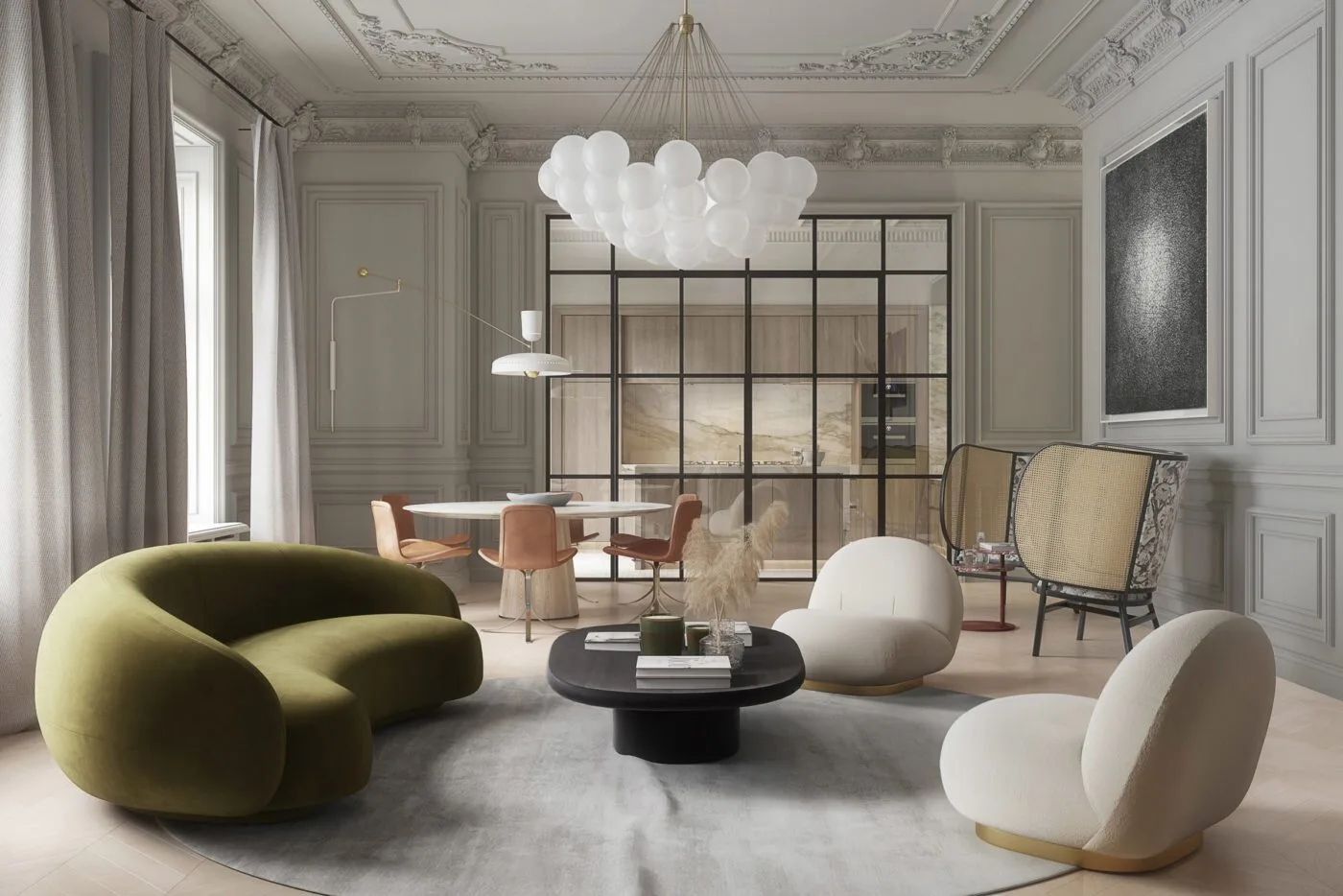
Adaptability remains essential in modern commercial environments.
Businesses recognize that operational requirements can change quickly, making flexibility a valuable design asset.
Flexible interiors often feature:
- Modular furniture
- Movable walls
- Multi-purpose meeting areas
- Reconfigurable layouts
- Hybrid collaboration spaces
These design solutions allow organizations to maximize space utilization while accommodating future growth and evolving work patterns.
Flexibility is particularly important in workplaces, educational facilities, and event venues where occupancy and usage requirements frequently change.
Transparency, Safety, and Performance Work Together
Open, light-filled interiors remain highly desirable, but safety and performance requirements continue to influence design decisions.
Advancements in glazing systems and partition technologies allow designers to achieve transparency without sacrificing functionality.
Modern solutions support:
- Fire safety compliance
- Acoustic privacy
- Daylight penetration
- Energy efficiency
- Visual connectivity
This integrated approach reflects a broader industry trend toward multi-functional design elements that serve multiple purposes simultaneously.
Rather than choosing between aesthetics and performance, businesses increasingly expect both.
The Future of Commercial Interior Design
The most successful commercial interiors in 2026 will be those that balance beauty, functionality, sustainability, and user experience. Organizations are moving beyond purely aesthetic considerations and investing in environments that actively support the people who use them.
The leading 2026 commercial interior design trends demonstrate a clear commitment to creating healthier, more adaptable, and environmentally responsible spaces. From wellness-focused design and biophilic principles to smart technologies and sustainable materials, commercial interiors are becoming more human-centered than ever before.
As businesses continue to evolve, interior design will play a critical role in shaping how people work, learn, heal, shop, and connect. The future belongs to spaces that not only look exceptional but also improve well-being, support performance, and deliver meaningful experiences for every occupant.