
Renovating your home is one of the most exciting ways to transform your living space, improve functionality, and increase property value. However, before choosing paint colors, flooring, or furniture, choosing a home design style for renovation should be your priority.
A well-defined design style acts as the foundation for every decision you’ll make throughout the renovation process, ensuring your home feels cohesive, timeless, and uniquely yours.
With countless interior design styles available, from modern and Scandinavian to rustic, industrial, and traditional, it’s easy to feel overwhelmed. While trends can inspire, the best renovation designs are those that reflect your personality, support your lifestyle, and complement your home’s architecture.
In this guide, we’ll walk you through the key factors to consider when selecting the perfect home design style, helping you create a space you’ll love for years to come.
Why Choosing a Home Design Style for Renovation Matters
Many homeowners begin renovations by selecting finishes or purchasing furniture before deciding on an overall style. While this approach may seem harmless, it often leads to mismatched rooms, inconsistent materials, and expensive design changes later on.
Choosing a home design style for renovation creates a clear vision from the beginning. It helps you:
- Maintain consistency throughout your home.
- Make faster decisions on materials and finishes.
- Avoid impulse purchases based on short-term trends.
- Create a timeless look that remains appealing for years.
- Communicate your vision more effectively with architects, designers, and contractors.
Whether you’re remodeling a single room or completing a full home renovation, establishing a design direction early saves both time and money.
Start with Your Lifestyle, Not Design Trends
One of the biggest mistakes homeowners make is designing their homes around what’s currently popular instead of how they actually live.
Before browsing home renovation design ideas or creating Pinterest boards, ask yourself a few practical questions:
- Do you entertain guests frequently?
- Is your home primarily a place to relax after work?
- Do you have children or pets?
- Do you work remotely and need a dedicated office?
- Do you enjoy cooking and spending time in the kitchen?
Your answers should guide your renovation decisions.
For example, a minimalist interior design style may be perfect for someone who values clean, clutter-free spaces, while a farmhouse or rustic design might better suit families looking for warmth and comfort. If you love hosting dinner parties, an open-concept layout with a spacious dining area may take priority over decorative features.
Ultimately, your renovation should improve how your home functions just as much as how it looks.
Define the Feeling You Want Your Home to Create
Rather than focusing on specific furniture or colors immediately, think about the atmosphere you want your home to have.
Ask yourself whether you want your space to feel:
- Warm and cozy
- Bright and airy
- Elegant and luxurious
- Calm and minimalist
- Casual and welcoming
- Sophisticated and modern
These emotional goals will naturally point you toward certain interior design styles.
For instance, Scandinavian interiors emphasize simplicity, natural light, and functionality, while traditional homes often feature rich textures, classic furniture, and timeless architectural details. Modern home renovation styles typically prioritize clean lines, open spaces, and minimal ornamentation.
When every design decision supports the overall mood you’re trying to create, your renovation will feel intentional rather than random.
Explore Different Interior Design Styles
Once you’ve identified your lifestyle and desired atmosphere, it’s time to gather inspiration.
Some of the most popular home remodeling styles include:
Modern
Modern interiors focus on clean lines, neutral color palettes, open spaces, and minimal clutter. This style works particularly well in newer homes and urban apartments.
Scandinavian
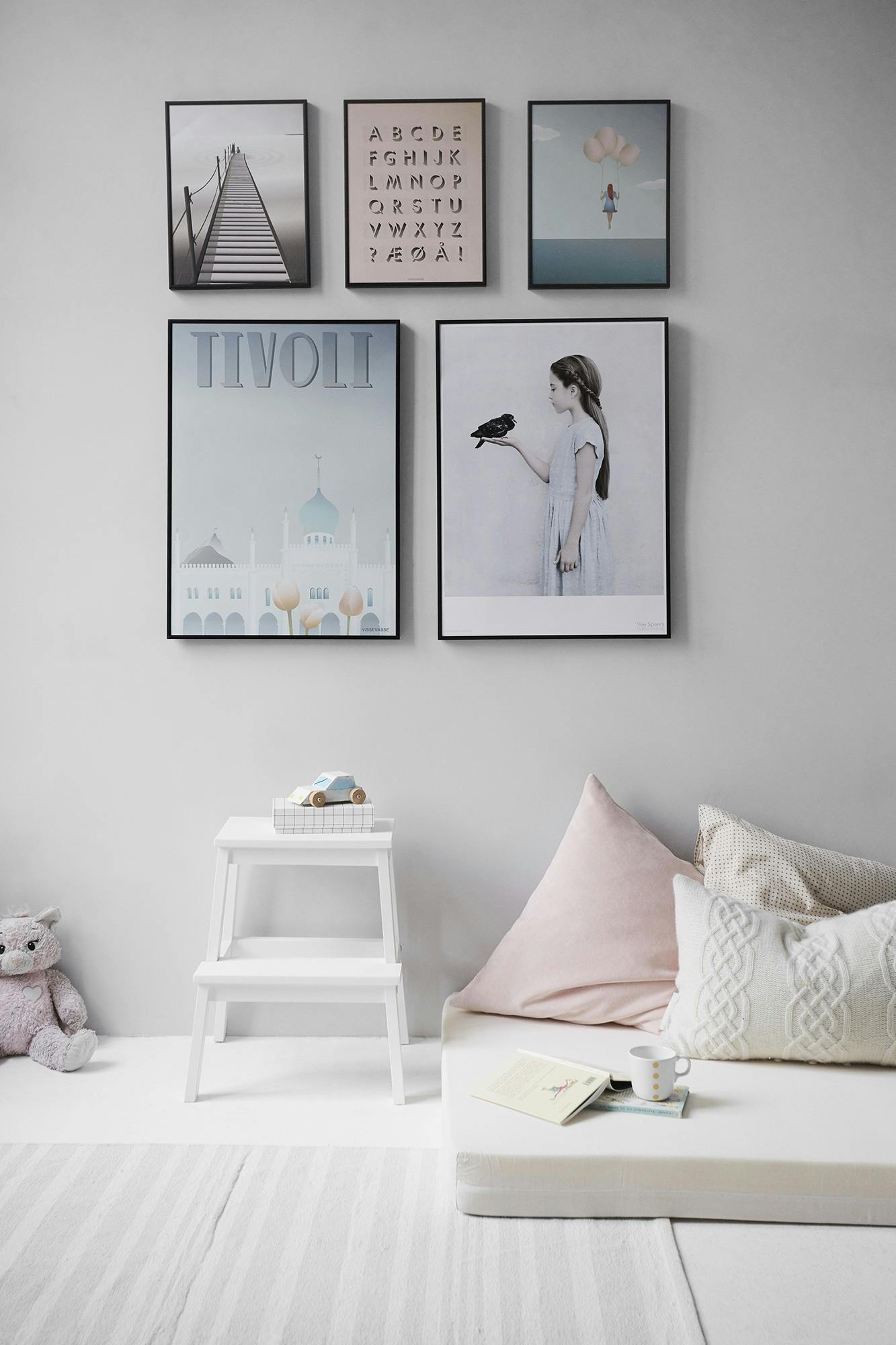
Known for its bright spaces, natural materials, and functional furniture, Scandinavian design creates comfortable yet uncluttered living environments.
Traditional
Traditional interiors feature elegant furnishings, detailed craftsmanship, and timeless finishes that rarely go out of style.
Rustic and Farmhouse
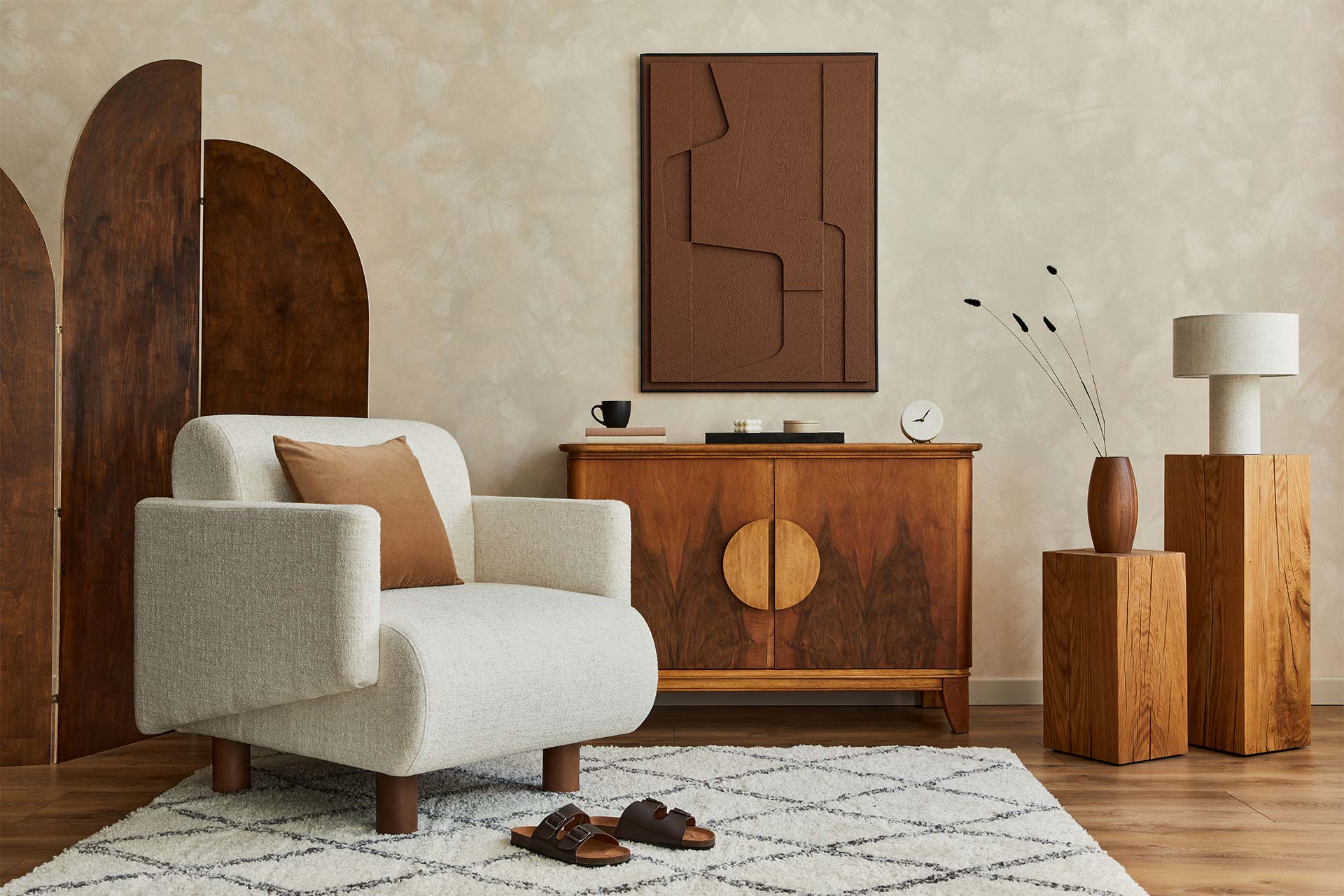
Rustic design embraces natural wood, stone, exposed beams, and warm textures to create inviting, comfortable spaces.
Industrial
Industrial interiors combine exposed brick, steel, concrete, and raw materials with modern furnishings for a bold contemporary look.
Instead of trying to copy one style exactly, identify elements from several styles that resonate with you. Many successful renovations blend influences while maintaining a consistent overall aesthetic.
Consider Your Home’s Existing Architecture
One of the most overlooked aspects of renovation planning is your home’s architectural style.
The most beautiful renovations respect the character of the building while introducing modern functionality.
For example:
- A heritage home may suit classic or transitional interiors.
- A contemporary house often pairs naturally with minimalist or modern design.
- A countryside property may benefit from rustic or farmhouse influences.
- A coastal home can embrace Mediterranean or beach-inspired elements.
This doesn’t mean you’re restricted to one design style, but your renovation should feel connected to the home’s original character. When architecture and interior design work together, the finished result appears natural rather than forced.
Think Beyond Current Design Trends
Trends come and go, but renovations are long-term investments.
While bold colors, statement lighting, or viral social media aesthetics may be tempting, ask yourself whether you’ll still appreciate them five or ten years from now.
A timeless renovation doesn’t mean your home has to feel boring. Instead, use classic materials and neutral finishes as your foundation, then introduce personality through accessories, artwork, textiles, or accent colors that are easier to update over time.
By focusing on lasting design principles instead of short-lived trends, you’ll reduce the need for future renovations and maintain your home’s value.
Reflect Your Personality Through Your Design Choices
A beautiful home should be more than visually appealing; it should feel like an extension of who you are. While inspiration from magazines, social media, and design websites is helpful, your renovation should reflect your personal preferences rather than simply copying current trends.
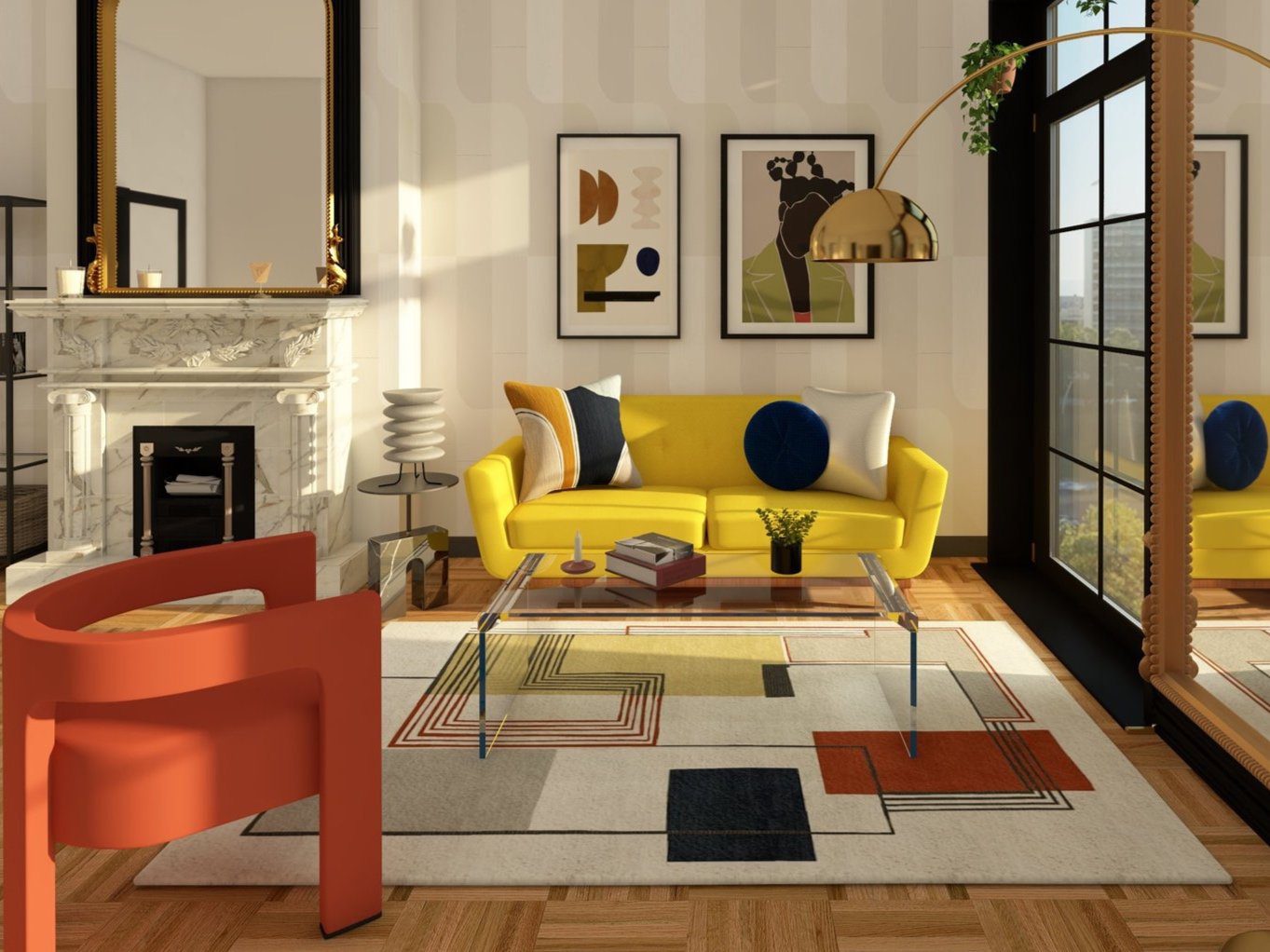
Think about the colors, textures, and materials you’re naturally drawn to. If you prefer calm, relaxing spaces, neutral tones, soft lighting, and natural materials may be the best fit. If you enjoy bold, energetic interiors, incorporating statement colors, unique artwork, or contrasting textures can add personality without overwhelming the space.
The goal isn’t to follow one design style perfectly but to create a home that feels authentic to your lifestyle. Many of the most successful renovations combine elements from multiple styles while maintaining a cohesive overall look.
Create a Mood Board Before You Start
One of the easiest ways to simplify choosing a home design style for renovation is by creating a mood board.
A mood board is a collection of images, colors, materials, furniture, and finishes that represent your ideal space. It helps you visualize how different design elements work together before making costly decisions.
Your mood board can include:
- Paint color palettes
- Flooring options
- Kitchen and bathroom inspiration
- Lighting fixtures
- Furniture styles
- Fabric samples
- Decorative accessories
- Hardware finishes
Platforms like Pinterest, Instagram, and interior design websites are excellent sources of home renovation design ideas. As you collect inspiration, you’ll likely notice recurring colors, textures, and layouts that naturally define your preferred style.
A mood board is also a valuable communication tool when working with contractors, architects, or interior designers, helping everyone understand your vision from the start.
Focus on Cohesion Throughout the Home
A successful renovation doesn’t require every room to look identical, but the entire home should feel connected.
One of the hallmarks of great interior design is consistency. Repeating key elements, such as flooring, color palettes, materials, or hardware finishes, creates a seamless flow from one room to another.
For example, if your kitchen features matte black fixtures, consider carrying that finish into bathrooms or laundry areas. Likewise, using similar wood tones or complementary paint colors throughout the home helps establish visual harmony.
This cohesive approach not only improves aesthetics but also makes your home feel larger, more thoughtfully designed, and professionally finished.
Balance Style with Functionality
While aesthetics are important, functionality should never be sacrificed for appearance.
Every design decision should improve how you use your space daily. A stunning kitchen isn’t practical if it lacks storage, and a minimalist living room won’t remain clutter-free without adequate organization.
When planning your renovation, consider:
- Storage requirements
- Furniture placement
- Natural lighting
- Traffic flow
- Family needs
- Future lifestyle changes
The best home remodeling styles successfully combine beauty with practicality. A home that works efficiently for your daily routine will continue to feel comfortable long after renovation trends have changed.
Choose Materials That Stand the Test of Time
Materials play a significant role in both the appearance and longevity of your renovation.
Investing in durable, high-quality materials often provides better long-term value than choosing cheaper alternatives that may need replacing sooner.
When selecting finishes, consider both maintenance requirements and durability. Hardwood flooring, engineered stone countertops, quality cabinetry, and timeless tiles typically offer lasting appeal while requiring minimal upkeep.
Combining durable materials with a timeless interior design style helps ensure your renovation remains attractive for years to come.
Plan Your Budget Around Priorities
Every renovation has financial limitations, making careful budgeting essential.
Rather than allocating your budget evenly across every aspect of the project, identify where quality matters most.
For many homeowners, these priorities include:
- Kitchens
- Bathrooms
- Flooring
- Cabinetry
- Structural improvements
- Energy-efficient upgrades
Decorative accessories and furniture can often be upgraded over time, whereas replacing cabinetry or flooring later is far more expensive.
Planning your renovation budget early also helps prevent impulse purchases and ensures your chosen design style remains achievable without compromising quality.
Work with Design Professionals When Needed
Even if you have a clear vision, consulting an architect or interior designer can significantly improve the outcome of your renovation.
Professionals can help you:
- Maximize available space.
- Improve room layouts.
- Select complementary materials.
- Avoid costly design mistakes.
- Stay within budget.
- Ensure your design suits your home’s architecture.
Rather than changing your ideas, experienced designers refine them, helping you create a home that balances aesthetics, functionality, and long-term value.
Common Mistakes to Avoid
As you begin planning your renovation, avoid these common pitfalls:
- Following trends without considering longevity.
- Mixing too many design styles.
- Ignoring your home’s architectural character.
- Prioritizing appearance over functionality.
- Purchasing furniture before finalizing the overall design.
- Skipping the planning stage.
- Forgetting to establish a realistic budget.
Avoiding these mistakes can save significant time, money, and stress throughout your renovation journey.
Final Thoughts on Choosing a Home Design Style for Renovation
Choosing a home design style for renovation is about creating a space that reflects your personality, supports your lifestyle, and remains functional for years to come.
By understanding your needs, exploring different interior design styles, considering your home’s architecture, and planning your budget carefully, you can make confident renovation decisions.
The best homes combine timeless design with personal touches. Instead of chasing every trend, focus on creating a cohesive space that feels comfortable, practical, and truly yours.
With thoughtful planning, your renovation can transform your house into a home you’ll enjoy for many years.